Fineleaf Pondweed: A Native Aquatic Plant for Specialized Water Gardens
If you’re dreaming of creating a natural pond or restoring a wetland area, you might want to get acquainted with fineleaf pondweed (Stuckenia filiformis). This unassuming aquatic native might not win any beauty contests, but it’s a true workhorse when it comes to maintaining healthy water ecosystems across North America.
What Is Fineleaf Pondweed?
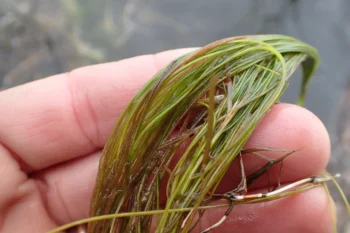
Fineleaf pondweed is a perennial aquatic forb that spends its entire life submerged beneath the water’s surface. True to its name, this plant produces incredibly thin, thread-like leaves that create a delicate underwater tapestry. Unlike flashy water lilies or showy lotus flowers, fineleaf pondweed works quietly behind the scenes, doing the important job of oxygenating water and providing habitat structure.
Where Does It Naturally Grow?
This hardy native has one of the most impressive natural distributions you’ll find in North American aquatic plants. Fineleaf pondweed naturally occurs across an enormous range, from Alaska and the Canadian Arctic all the way down through most U.S. states. You can find it growing in Alberta, British Columbia, Alaska, Manitoba, New Brunswick, Arizona, California, Nova Scotia, Ontario, Colorado, Prince Edward Island, Quebec, Saskatchewan, Yukon, Northwest Territories, Nunavut, Idaho, Iowa, Maine, Michigan, Minnesota, Montana, Nebraska, Nevada, New Hampshire, New Jersey, New Mexico, New York, North Dakota, Ohio, Oregon, Pennsylvania, South Dakota, Utah, Vermont, Washington, Wisconsin, and Wyoming, plus Labrador and Newfoundland.
- Species observed
- No observations
Should You Plant Fineleaf Pondweed?
Here’s the honest truth: fineleaf pondweed isn’t for everyone. This plant has very specific needs and won’t work in traditional garden settings. However, if you’re working on any of these projects, it could be perfect:
- Natural pond creation or restoration
- Wetland habitat projects
- Water quality improvement in existing ponds
- Creating habitat for aquatic wildlife
- Erosion control in shallow water areas
The main reason to choose fineleaf pondweed is function over form. As an obligate wetland plant (meaning it almost always occurs in wetlands), it’s perfectly adapted to life underwater and serves crucial ecological functions.
Growing Conditions and Care
Fineleaf pondweed is refreshingly low-maintenance once you understand its basic needs:
Water Requirements: This plant must be grown submerged in water. It thrives in shallow to moderately deep water and can adapt to various water depths.
Light: Full sun to partial shade works well, though like most aquatic plants, it appreciates good light penetration through the water.
Hardiness: Extremely cold-hardy, suitable for USDA zones 2-8, making it one of the most climate-adaptable aquatic plants available.
Soil: Grows in muddy or sandy pond bottoms with minimal soil requirements.
Planting and Establishment
Getting fineleaf pondweed established requires some specific approaches:
- Plant in spring when water temperatures begin to warm
- Seeds or plant fragments can be introduced directly to suitable water bodies
- Ensure water levels remain stable during establishment
- Be patient – establishment can take a full growing season
- Avoid areas with strong water currents that might uproot young plants
Wildlife and Ecological Benefits
While fineleaf pondweed might not attract butterflies or hummingbirds, it provides essential services for aquatic ecosystems. The plant helps oxygenate water, provides cover for fish and aquatic invertebrates, and contributes to overall pond health. Its fine foliage creates important microhabitats for tiny aquatic creatures that form the base of aquatic food webs.
The Bottom Line
Fineleaf pondweed isn’t going to transform your backyard into a showstopper, but if you’re serious about creating authentic aquatic habitat or maintaining a healthy pond ecosystem, this native plant deserves consideration. Its extensive natural range and cold-hardiness make it suitable for water gardens across most of North America. Just remember – this is strictly a plant for water features, not dry land gardens!
If you’re looking for more ornamental aquatic options, consider pairing fineleaf pondweed with showier native water plants like water lilies or pickerelweed. The pondweed will handle the behind-the-scenes work while other plants provide the visual appeal.