Fir Clubmoss: The Ancient Wonder That’s Not Actually Moss
Meet fir clubmoss (Huperzia selago), one of nature’s most fascinating living fossils! Despite its common name, this little green wonder isn’t actually a moss at all. It’s a lycopod – an ancient group of plants that’s been around for roughly 400 million years, making it older than dinosaurs. Talk about staying power!
What Exactly Is Fir Clubmoss?
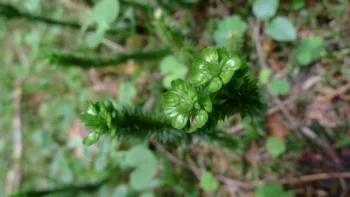
Fir clubmoss is a perennial forb herb that looks remarkably like a tiny evergreen tree or dense moss. This vascular plant lacks significant woody tissue and reproduces through spores rather than seeds or flowers. Its needle-like leaves spiral around upright stems, creating a miniature forest effect that’s absolutely enchanting when you spot it in the wild.
Where You’ll Find This Living Fossil
This remarkable plant is native to a vast range across North America, including Canada and the northern United States. You can find fir clubmoss growing naturally in Alberta, British Columbia, Manitoba, New Brunswick, Nova Scotia, Ontario, Quebec, Saskatchewan, Yukon, Northwest Territories, Nunavut, and several U.S. states including Maine, Massachusetts, Michigan, Minnesota, New Hampshire, New York, Vermont, Wisconsin, Connecticut, and parts of Newfoundland and Labrador.
- Species observed
- No observations
Spotting Fir Clubmoss in the Wild
Here’s what to look for when you’re out exploring:
- Small, evergreen plants that look like tiny Christmas trees
- Dense, needle-like leaves arranged in spirals around the stem
- Height typically ranging from 4-10 inches tall
- Often growing in clusters or colonies
- No flowers – instead, look for small spore-bearing structures
- Prefers cool, moist environments with good drainage
Is Fir Clubmoss Beneficial in Gardens?
While fir clubmoss is undeniably fascinating, it’s not your typical garden plant. This ancient species has very specific requirements that make it challenging to cultivate successfully. It thrives in cool, consistently moist conditions with excellent drainage and typically prefers acidic soils in partially shaded to shaded locations.
In terms of wetland status, fir clubmoss is classified as Facultative Upland in both the Midwest and Northcentral & Northeast regions, meaning it usually grows in non-wetland areas but can occasionally be found in wetland conditions.
The Challenge of Growing Ancient Plants
Here’s the thing about fir clubmoss – it’s adapted to very specific environmental conditions that are difficult to replicate in most home gardens. This plant thrives in USDA hardiness zones 2-6, where it enjoys:
- Cool temperatures year-round
- High humidity levels
- Consistent moisture without waterlogging
- Acidic, well-draining soil
- Protection from intense sunlight
Appreciating Rather Than Cultivating
Given the specialized needs of fir clubmoss, most gardeners will have better success appreciating this remarkable plant in its natural habitat rather than attempting to grow it at home. If you’re interested in adding ancient plant vibes to your garden, consider these easier alternatives that can give you a similar prehistoric feel:
- Native ferns suited to your region
- Mosses that naturally establish in your garden
- Other native ground covers with interesting textures
A Living Link to the Past
While you might not be able to grow fir clubmoss in your backyard, spotting it during nature walks is like discovering a living museum piece. These plants represent an unbroken chain of life stretching back hundreds of millions of years. Next time you’re hiking in the northern regions where it grows, take a moment to appreciate this incredible survivor – it’s been perfecting its survival strategy since long before flowers even existed!
Whether you encounter fir clubmoss in a rocky outcrop, along a forest trail, or in a cool, shaded ravine, you’re witnessing one of nature’s most enduring success stories. Sometimes the best gardens are the ones nature creates herself.