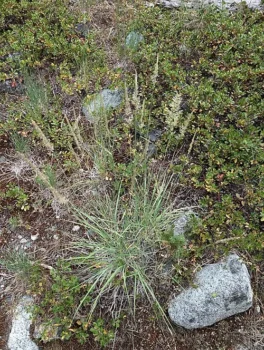
Fire Reedgrass: A Hardy Native Grass for Western Gardens
If you’re looking for a low-maintenance native grass that can handle tough conditions while adding graceful movement to your landscape, fire reedgrass might just be your new best friend. This unassuming perennial grass (scientifically known as Calamagrostis koelerioides) is one of those plants that quietly does its job while looking effortlessly elegant.
What is Fire Reedgrass?
Fire reedgrass is a native perennial grass that forms neat, dense clumps with narrow leaves and delicate, feathery seed heads that dance beautifully in the breeze. Don’t let the name fool you – this grass isn’t particularly associated with fire, but rather earned its moniker from its ability to thrive in areas that have experienced burns or disturbance.
You might also encounter this plant listed under its botanical synonym, Calamagrostis densa, in older gardening references or plant catalogs.
Where Does Fire Reedgrass Call Home?
This hardy native is naturally found throughout the western United States, making its home in California, Idaho, Montana, Oregon, Washington, and Wyoming. It’s particularly well-suited to mountainous regions and foothills, where it has adapted to handle everything from rocky slopes to meadow edges.
- Species observed
- No observations
Why Plant Fire Reedgrass in Your Garden?
There are several compelling reasons to consider adding this native grass to your landscape:
- True Native Status: As a plant native to the lower 48 states, it supports local ecosystems and requires fewer resources than non-native alternatives
- Low Maintenance: Once established, this grass is remarkably drought-tolerant and self-sufficient
- Erosion Control: Its dense root system makes it excellent for stabilizing slopes and preventing soil erosion
- Wildlife Support: While wind-pollinated, it provides valuable nesting material for birds and its seeds feed various wildlife
- Year-Round Interest: The seed heads provide texture and movement even in winter months
Perfect Spots for Fire Reedgrass
This adaptable grass shines in several garden settings:
- Rock gardens where its clumping habit adds soft texture
- Xeriscapes and drought-tolerant landscapes
- Naturalized meadow plantings
- Slope stabilization projects
- Native plant gardens focused on western species
Growing Conditions and Care
Fire reedgrass is refreshingly easy to please. Here’s what it needs to thrive:
Sunlight: Full sun to partial shade – it’s quite flexible about lighting conditions
Soil: Well-draining soil is essential. It can handle poor, rocky soils but won’t tolerate waterlogged conditions
Hardiness: Suitable for USDA zones 4-8, making it cold-hardy enough for most western mountain regions
Water: Drought-tolerant once established, though it appreciates occasional deep watering during extended dry spells
Planting and Care Tips
Getting fire reedgrass established in your garden is straightforward:
- Best planting time: Fall or early spring when temperatures are cool
- Spacing: Plant clumps 12-18 inches apart for a natural look
- Establishment: Water regularly the first year while roots develop
- Maintenance: Cut back old growth in late winter or early spring before new growth emerges
- Propagation: Divide established clumps in spring or fall, or grow from seed
The Bottom Line
Fire reedgrass is one of those wonderful native plants that proves you don’t need high-maintenance exotics to create a beautiful landscape. Its combination of hardiness, ecological benefits, and graceful appearance makes it an excellent choice for western gardeners looking to create sustainable, wildlife-friendly spaces. Whether you’re dealing with a challenging slope that needs stabilization or simply want to add some native grass texture to your garden, fire reedgrass delivers without demanding much in return.
Just remember to source your plants or seeds from reputable native plant nurseries to ensure you’re getting true Calamagrostis koelerioides and supporting responsible horticultural practices.