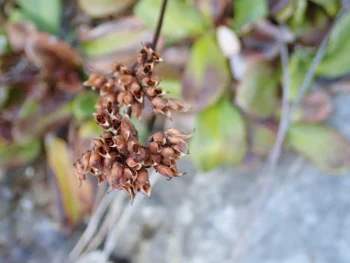
Fireleaf Leptarrhena: A Hidden Gem for Shade Gardens
If you’re searching for an understated native perennial that thrives in those tricky shady, moist spots in your garden, let me introduce you to fireleaf leptarrhena (Leptarrhena pyrolifolia). This charming little forb might not win any flashy flower contests, but it’s exactly the kind of reliable, low-maintenance native that seasoned gardeners learn to appreciate.
What Is Fireleaf Leptarrhena?
Fireleaf leptarrhena is a perennial forb native to northwestern North America. As a forb, it’s an herbaceous plant without woody tissue above ground, making it a perfect complement to your woodland garden’s shrubs and trees. The plant gets its common name from its distinctive leaves, which often develop reddish tones that remind you of autumn’s fire even in summer.
Where Does It Naturally Grow?
This native beauty has quite an impressive natural range across the cool, moist regions of North America. You’ll find it growing wild throughout:
- Alaska and Yukon Territory
- British Columbia and Alberta
- Northwestern United States: Idaho, Montana, Oregon, and Washington
- Northwest Territories
Its extensive native range across these northern regions tells you everything you need to know about its preferences: this plant loves cool, moist conditions and can handle some serious cold.
- Species observed
- No observations
Why Grow Fireleaf Leptarrhena?
Here’s where this humble plant really shines. Fireleaf leptarrhena produces clusters of small, delicate white flowers that may be modest individually but create a lovely display when grouped together. The real star, though, is the foliage – those basal leaves that can develop beautiful reddish hues, giving your garden subtle color interest throughout the growing season.
As a native plant, it supports local ecosystems and provides nectar for small pollinators like flies and tiny bees. Plus, once established, it’s wonderfully low-maintenance – the kind of plant that just quietly does its job without demanding constant attention.
Perfect Garden Settings
Fireleaf leptarrhena is tailor-made for:
- Woodland gardens where it can naturalize under trees
- Shade gardens that need reliable ground cover
- Native plant gardens focused on regional species
- Moist areas where other plants might struggle
Growing Conditions and Care
The plant’s wetland status as Facultative Wetland across its range gives us a big clue about its needs – it usually grows in wetlands but can adapt to non-wetland conditions as long as moisture levels remain adequate.
For best results, provide:
- Partial to full shade conditions
- Consistently moist, well-draining soil
- Cool, humid environments
- Soil rich in organic matter
This plant is hardy in USDA zones 3-7, making it suitable for most northern and mountainous regions where it naturally occurs.
Planting and Maintenance Tips
The good news is that fireleaf leptarrhena is refreshingly undemanding once you get it established in the right spot. Plant it in spring after the last frost, making sure to choose a location that stays consistently moist but doesn’t become waterlogged.
Amend your soil with compost or other organic matter to help retain moisture and provide nutrients. After planting, maintain consistent moisture levels, especially during the first growing season while the plant establishes its root system.
Once settled in, this perennial requires minimal care. It’s not a fast spreader, so you won’t need to worry about it taking over your garden, but it will slowly form attractive colonies over time.
The Bottom Line
Fireleaf leptarrhena might not be the showiest plant in your garden, but it’s exactly the kind of reliable native that forms the backbone of a successful naturalistic landscape. If you have a shady, moist spot that needs a low-maintenance ground cover with subtle beauty and ecological value, this northwestern native deserves serious consideration.
While it may not be available at every garden center, seek it out from native plant nurseries or specialty growers. Your local pollinators – and your low-maintenance garden goals – will thank you.