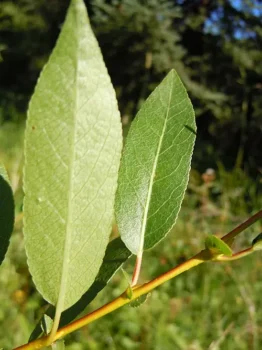
Firmleaf Willow: A Hardy Native Shrub for Northern Gardens
If you’re looking for a tough-as-nails native shrub that can handle whatever Mother Nature throws at it, meet the firmleaf willow (Salix pseudomyrsinites). This unassuming but resilient little willow is like the friend who never lets you down – reliable, adaptable, and surprisingly charming once you get to know it.
What Makes Firmleaf Willow Special?
Don’t let its modest appearance fool you. Firmleaf willow is a perennial shrub that typically stays under 13-16 feet tall, making it perfect for smaller landscapes where you want native character without overwhelming size. True to its name, this willow sports distinctively firm, leathery leaves that set it apart from its droopy-leafed cousins.
As a multi-stemmed woody plant, firmleaf willow creates an attractive, bushy appearance that works beautifully in naturalized settings. In spring, it produces the classic willow catkins that add seasonal interest and serve as an early nectar source for hungry pollinators emerging from winter.
Where Does Firmleaf Willow Call Home?
This hardy native is a true northerner, calling Alaska and Canada home. You’ll find it thriving across an impressive range including Alberta, British Columbia, Manitoba, Ontario, Saskatchewan, Yukon, Northwest Territories, and Nunavut. It’s perfectly adapted to those bone-chilling northern climates that would make other plants wave the white flag.
- Species observed
- No observations
Why Plant Firmleaf Willow in Your Garden?
Here’s why this native shrub deserves a spot in your landscape:
- Extreme cold hardiness: Thrives in USDA zones 1-6, making it ideal for northern gardeners
- Low maintenance: Once established, it’s remarkably self-sufficient
- Pollinator friendly: Early spring catkins provide crucial nectar when few other plants are blooming
- Erosion control: Excellent for stabilizing soil in challenging areas
- Native plant benefits: Supports local ecosystems and wildlife
- Unique texture: The firm leaves add interesting contrast to softer-textured plants
Perfect Garden Settings
Firmleaf willow shines brightest in:
- Native plant gardens
- Naturalized landscapes
- Wildlife gardens
- Rain gardens and wet areas
- Slope stabilization projects
- Mixed shrub borders in cold climates
Growing Conditions and Care
The beauty of firmleaf willow lies in its adaptability, but it does have preferences:
Light: Full sun to partial shade – it’s not picky about this one
Soil: Prefers moist to wet soils but can adapt to various soil types once established
Water: Appreciates consistent moisture, especially during establishment
Climate: Extremely cold hardy (zones 1-6) – this plant laughs at harsh winters
Planting and Care Tips
Getting your firmleaf willow off to a good start is straightforward:
- Timing: Plant in spring or early fall when temperatures are moderate
- Spacing: Allow plenty of room for the multi-stemmed growth habit
- Watering: Keep soil consistently moist during the first growing season
- Mulching: Apply organic mulch to retain moisture and suppress weeds
- Pruning: Minimal pruning needed – just remove dead or damaged branches
- Fertilizing: Generally unnecessary in good soil – these plants are naturally thrifty
The Bottom Line
Firmleaf willow might not be the flashiest plant in the nursery, but it’s exactly what many northern gardens need – a reliable, native shrub that can handle extreme conditions while supporting local wildlife. If you’re gardening in zones 1-6 and want a low-maintenance native that actually belongs in your landscape, this tough little willow deserves serious consideration.
Plus, there’s something deeply satisfying about growing a plant that’s perfectly adapted to your local climate. Firmleaf willow isn’t trying to be something it’s not – it’s simply being authentically, beautifully itself in your northern garden.