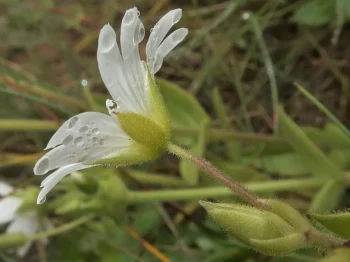
Fischer’s Chickweed: A Hardy Native Gem for Northern Gardens
If you’re gardening in the far north and looking for a tough, native ground cover that can handle whatever Mother Nature throws at it, meet Fischer’s chickweed (Cerastium fischerianum). This unassuming little perennial might not win any flashy flower contests, but it’s got character and serious cold-weather credentials that make it worth considering for the right garden.
What Makes Fischer’s Chickweed Special?
Fischer’s chickweed is a true northerner, native to Alaska and parts of Canada including British Columbia. As a perennial forb, it’s an herbaceous plant that comes back year after year without developing woody stems. Think of it as nature’s way of creating a persistent, low-maintenance carpet that laughs in the face of harsh winters.
This hardy native grows throughout Alaska and British Columbia, thriving in some of the most challenging climates on the continent. Its natural range tells you everything you need to know about its toughness – if it can handle Alaskan winters, it can probably handle whatever your garden dishes out.
- Species observed
- No observations
Garden Appeal and Growing Characteristics
Don’t expect Fischer’s chickweed to be the showstopper of your garden, but do appreciate it for what it brings to the table. Like other chickweeds, it produces small, delicate white flowers that add a subtle charm to the landscape. The plant forms low-growing mats, making it an excellent choice for ground cover in areas where you need something reliable and undemanding.
Its growth habit is perfectly suited for:
- Rock gardens where you need plants that won’t compete with specimen plants
- Alpine gardens that mimic high-elevation conditions
- Native plant gardens focused on regional flora
- Areas where you want low-maintenance ground cover
Growing Conditions and Care
Fischer’s chickweed has earned its place in the toughest climates, which gives us clues about what it needs to thrive. Based on its native habitat, this plant likely prefers:
- Cool temperatures and excellent cold tolerance (probably hardy in USDA zones 1-4)
- Consistent moisture without waterlogged conditions
- Well-draining soil that doesn’t stay soggy
- Full sun to partial shade conditions
The plant’s wetland status as facultative wetland means it usually grows in wet areas but can adapt to drier conditions – giving you some flexibility in placement.
Wildlife and Pollinator Benefits
While specific wildlife benefits for Fischer’s chickweed aren’t well-documented, chickweeds in general are valuable for small pollinators. The modest white flowers likely attract flies, small bees, and other tiny pollinators that are often overlooked but play crucial roles in northern ecosystems. Seeds may also provide food for small birds and ground-dwelling creatures.
Is Fischer’s Chickweed Right for Your Garden?
Consider planting Fischer’s chickweed if you:
- Garden in Alaska, northern Canada, or similar climates
- Want native plants that support local ecosystems
- Need reliable ground cover for challenging spots
- Appreciate subtle, naturalistic plantings over flashy displays
- Are creating a rock garden or alpine plant collection
Look for alternatives if you:
- Garden in warm climates (this plant needs genuine cold)
- Want showy flowers or dramatic foliage
- Need fast-spreading ground cover for large areas
- Prefer plants with well-established cultivation information
The Bottom Line
Fischer’s chickweed isn’t going to be the star of most gardens, but for northern gardeners who value native plants and need something genuinely tough, it’s worth considering. Its greatest strength lies in being perfectly adapted to harsh conditions while providing quiet, understated beauty and ecological value.
Keep in mind that information about growing this specific species is limited, so if you decide to try it, you’ll be joining the ranks of adventurous gardeners experimenting with lesser-known natives. Sometimes the most rewarding plants are the ones that haven’t been thoroughly domesticated – they keep a bit of their wild character and remind us of the incredible diversity of plants that call the far north home.