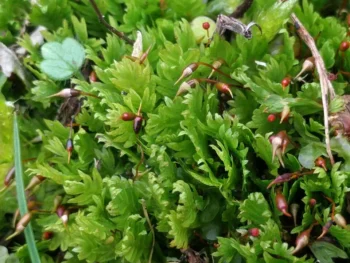
Fissidens Moss: The Tiny Fern-Like Wonder in Your Garden
Have you ever spotted what looks like tiny, delicate ferns carpeting the shaded corners of your garden? Chances are, you’ve encountered fissidens moss (Fissidens adianthoides), one of nature’s most charming miniature plants. This little green gem might be small, but it packs a big punch when it comes to adding subtle beauty to naturalistic landscapes.
What Exactly Is Fissidens Moss?
Fissidens moss belongs to the fascinating world of bryophytes – those ancient, non-flowering plants that include mosses, liverworts, and hornworts. Unlike the towering trees and showy flowers we typically think of when planning our gardens, this humble moss operates on a completely different scale. It’s a terrestrial species, meaning it grows on solid surfaces like soil, rocks, or even rotting logs rather than floating around in water.
What makes fissidens moss particularly special is its distinctive growth pattern. The tiny leaves are arranged in two neat rows along the stem, creating a flattened appearance that’s remarkably similar to a miniature fern frond. It’s this unique characteristic that sets it apart from other mosses you might find in your yard.
Where Does This Moss Call Home?
Fissidens moss is a true North American native, naturally occurring across eastern regions of the continent. You’ll find it thriving from the cool forests of Canada all the way down to the warmer climates of the Gulf states. This wide distribution means it’s well-adapted to various climatic conditions, though it consistently prefers shaded, moist environments.
Spotting Fissidens Moss in the Wild
Identifying fissidens moss is easier than you might think once you know what to look for. Here are the key features that will help you recognize this delightful little plant:
- Flattened, fern-like appearance with leaves arranged in two distinct rows
- Small size – individual plants are typically just a few centimeters tall
- Bright to dark green coloration
- Found on moist soil, rocks, or decaying wood in shaded areas
- Often grows in small patches or colonies
Is Fissidens Moss Beneficial for Your Garden?
While fissidens moss might not be the showstopper of your garden, it certainly earns its keep in several important ways. This tiny plant acts as a natural ground cover in areas where other plants might struggle to establish. It’s particularly valuable in those tricky shaded spots under trees or alongside north-facing walls where grass refuses to grow.
From an ecological perspective, mosses like fissidens play crucial roles in their environments. They help prevent soil erosion, retain moisture in the landscape, and provide habitat for tiny creatures like insects and spiders. While they don’t produce flowers for pollinators, they contribute to the overall health and stability of garden ecosystems.
For gardeners interested in naturalistic or woodland garden designs, fissidens moss adds authentic texture and visual interest. It creates that coveted established look that makes gardens feel like they’ve been part of the landscape for years rather than recently planted.
Creating Conditions Where Fissidens Moss Thrives
Here’s the thing about mosses – you can’t really plant them in the traditional sense. Instead, you create the right conditions and let nature take its course. If you want to encourage fissidens moss in your garden, focus on these environmental factors:
- Consistent moisture without waterlogging
- Shade or dappled sunlight
- Slightly acidic soil conditions
- Good air circulation
- Minimal foot traffic
The beauty of working with native mosses is that they’re incredibly low-maintenance once established. They don’t require fertilizing, regular watering (beyond what nature provides), or pest control. They’re also remarkably hardy, typically thriving in USDA zones 3 through 9.
Embracing the Moss Garden Aesthetic
If you’re drawn to the subtle beauty of mosses, consider dedicating a section of your garden to these fascinating plants. Fissidens moss works beautifully in woodland gardens, alongside ferns and other shade-loving natives. It’s also perfect for rock gardens, where it can soften hard edges and create natural-looking transitions between stones.
Remember, patience is key when working with mosses. Unlike annual flowers that provide instant gratification, moss gardens develop slowly over time, creating increasingly beautiful and complex ecosystems as they mature.
The Bottom Line
Fissidens moss might not be the first plant that comes to mind when planning your garden, but it’s definitely worth appreciating and encouraging. This native North American species brings subtle beauty, ecological benefits, and authentic woodland character to shaded garden spaces. While you can’t plant it like a traditional garden plant, creating the right conditions in your landscape might just reward you with these delightful miniature fern-like treasures appearing naturally over time.
So next time you’re walking through the shaded areas of your garden, take a moment to look down and appreciate these tiny botanical wonders. You might be surprised by the intricate beauty hiding right at your feet!