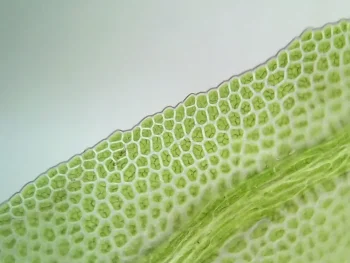
Discovering Fissidens Moss: A Tiny Native Wonder in Your Garden
Have you ever noticed those tiny, delicate green carpets growing on rocks, fallen logs, or shaded soil in your garden? You might be looking at fissidens moss (Fissidens exilis), a charming native species that’s been quietly beautifying North American landscapes for centuries. While most gardeners focus on flashy flowers and towering trees, this diminutive moss deserves a moment in the spotlight for its understated elegance and ecological value.
What Exactly Is Fissidens Moss?
Fissidens exilis is a bryophyte – that’s the fancy scientific term for the group that includes mosses, liverworts, and hornworts. These ancient plants are quite different from the flowering plants we’re used to. They’re always herbaceous and have a knack for attaching themselves to solid surfaces like rocks, living trees, or decaying wood rather than rooting deeply in soil like conventional garden plants.
What makes fissidens moss particularly special is its distinctive appearance. Unlike many mosses that form dense, cushiony mounds, this species creates small patches with leaves arranged in a flattened, two-ranked pattern that looks remarkably like tiny fern fronds. It’s this unique leaf arrangement that helps botanists identify it in the wild.
Where You’ll Find This Native Gem
Fissidens exilis is proudly native to North America, making it a true local treasure. You can find this moss naturally growing across a wide swath of the eastern and central United States and southeastern Canada. Its range includes Alabama, Illinois, Indiana, Kentucky, Maine, Maryland, Michigan, Missouri, New Jersey, New York, North Carolina, Ohio, Pennsylvania, Tennessee, Vermont, and Quebec.
- Species observed
- No observations
Is Fissidens Moss Good for Your Garden?
While fissidens moss won’t attract butterflies or hummingbirds like flowering plants do, it offers several subtle benefits to your garden ecosystem:
- Natural ground cover: It provides living coverage in areas where other plants struggle, particularly shaded, moist spots
- Soil protection: Moss helps prevent soil erosion on slopes and exposed areas
- Moisture retention: It acts like a natural sponge, helping to maintain soil moisture levels
- Wildlife habitat: Small invertebrates find shelter among moss colonies, supporting the broader food web
- Low maintenance: Once established, moss requires virtually no care – no mowing, fertilizing, or watering
A Note About Rarity
Fissidens exilis has a Global Conservation Status of S3S4, indicating it may be somewhat uncommon in parts of its range. If you’re fortunate enough to have this moss growing naturally on your property, consider yourself lucky! Rather than trying to transplant it, it’s best to simply appreciate it where it grows and create conditions that help it thrive.
How to Identify Fissidens Moss
Spotting fissidens moss takes a keen eye, as it’s quite small. Here’s what to look for:
- Size: Forms small patches, usually just a few inches across
- Leaf pattern: Distinctive flattened, two-ranked leaves that look like miniature fern fronds
- Color: Bright to dark green, depending on moisture and light conditions
- Location: Growing on moist soil, rocks, or decaying wood in shaded areas
- Texture: Delicate and soft to the touch
Creating Moss-Friendly Conditions
While you can’t exactly plant fissidens moss like you would a perennial, you can create conditions that encourage native mosses to establish naturally in your garden:
- Maintain shade: Mosses prefer indirect light and protection from harsh sun
- Keep it moist: Consistent moisture is crucial – avoid areas that dry out completely
- Reduce foot traffic: Mosses are delicate and don’t tolerate heavy trampling
- Minimize chemical use: Fertilizers and pesticides can harm moss colonies
- Provide surfaces: Leave some rocks, logs, or areas of exposed soil where moss can establish
The Bottom Line
Fissidens moss might not be the showstopper of your garden, but it’s a valuable native species that adds subtle beauty and ecological function to shaded, moist areas. If you discover it growing naturally on your property, consider yourself fortunate to host this delicate native treasure. Instead of fighting against it, why not embrace its presence and enjoy the quiet beauty it brings to overlooked corners of your landscape?
Remember, the best gardens aren’t just about what we plant – they’re about appreciating and nurturing the entire community of plants that choose to call our spaces home.