Fissidens Moss: A Tiny Native Wonder for Your Garden
Meet fissidens moss (Fissidens fontanus), a charming little native that might just be the perfect addition to your garden’s quiet corners. This delicate North American native brings a touch of ancient elegance to modern landscapes, though you’ll need to look closely to appreciate its subtle beauty.
What Exactly Is Fissidens Moss?
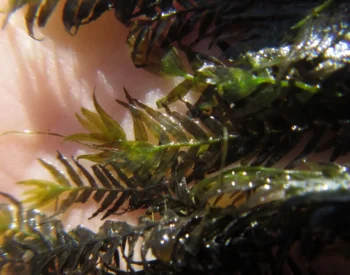
Fissidens moss belongs to that fascinating group of plants called bryophytes – think of them as the garden’s gentle elders. Unlike flowering plants, mosses have been around for hundreds of millions of years, quietly perfecting the art of simple living. This particular species creates tiny, flattened shoots that arrange themselves in an almost feather-like pattern, giving it a distinctly organized appearance that’s quite different from the cushiony mosses you might be more familiar with.
You might also encounter this moss under its former scientific names, including Fissidens debilis or Fissidens julianus, but don’t let the name changes fool you – it’s the same lovely little plant.
Where Does It Call Home?
This moss is a true North American native, naturally occurring throughout eastern and central regions of the continent. You’ll typically find it in nature near water sources, clinging to rocks, logs, or soil in consistently moist environments. It’s particularly fond of areas with neutral to slightly alkaline conditions, making it quite adaptable to many garden situations.
Spotting Fissidens Moss in the Wild (or Your Garden)
Here’s what to look for when trying to identify fissidens moss:
- Small, flattened shoots that look almost like tiny green feathers
- Leaves arranged in two rows along the stem, creating a distinctly flat appearance
- Bright to dark green coloration, depending on light conditions
- Usually found in patches rather than large carpets
- Prefers to grow on solid surfaces like rocks, wood, or compacted soil
Is Fissidens Moss Good for Your Garden?
Absolutely! While this moss won’t put on a flashy flower show, it offers several wonderful benefits for the thoughtful gardener:
Natural Beauty: Fissidens moss adds texture and year-round green interest to shaded areas where little else might thrive. Its organized, almost architectural growth pattern provides a lovely contrast to more chaotic garden elements.
Erosion Control: Like many mosses, fissidens helps stabilize soil and prevent erosion, particularly valuable near water features or on slopes.
Low Maintenance: Once established in suitable conditions, this moss requires virtually no care – no mowing, fertilizing, or watering (beyond what nature provides).
Wildlife Habitat: While small, mosses provide important microhabitats for tiny creatures and can help maintain the moisture levels that many native insects and amphibians need.
Creating the Right Environment
If you’d like to encourage fissidens moss in your garden, focus on creating the conditions it loves:
- Moisture: Consistent dampness is key – think bog gardens, rain gardens, or areas near water features
- Shade: Partial to full shade works best; too much sun will dry it out
- Surfaces: Provide rocks, logs, or other solid surfaces for attachment
- pH: Neutral to slightly alkaline soil conditions are preferred
A Word About Hardiness
The good news for most gardeners is that fissidens moss is quite hardy, thriving in USDA zones 3 through 9. This makes it suitable for a wide range of climates, from chilly northern gardens to more temperate southern regions.
Working With Nature
Rather than trying to plant fissidens moss in the traditional sense, it’s often better to create the right conditions and let nature take its course. This moss will often appear naturally in suitable garden environments, or you can encourage existing patches by maintaining consistent moisture and avoiding disturbance.
If you’re designing a naturalistic landscape, woodland garden, or any space that celebrates native plant communities, fissidens moss can be a wonderful addition to your plant palette. It may be small, but it connects your garden to the ancient botanical heritage of North America – and that’s pretty special indeed.