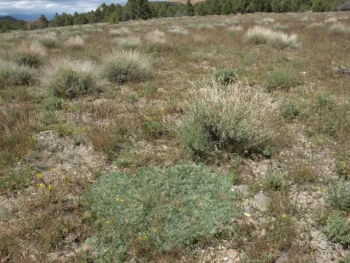
Fiveleaf Clover: A Charming Native Wildflower for Western Gardens
If you’re looking to add a touch of native charm to your western garden, fiveleaf clover (Trifolium andersonii andersonii) might just be the perfect addition. This delightful perennial herb brings both ecological value and understated beauty to landscapes across the American West.
What Makes Fiveleaf Clover Special?
Unlike its more common three-leaflet cousins, fiveleaf clover lives up to its name with distinctive five-leaflet arrangements that make it a unique conversation starter in any garden. This native forb produces clusters of small white to pinkish flowers that may look modest at first glance, but pack a powerful punch for local pollinators.
As a true native of the western United States, this perennial herb has been thriving in the region’s diverse landscapes long before European settlement. It’s classified as a forb, meaning it’s a non-woody flowering plant that dies back to ground level each winter and returns the following spring.
Where Does Fiveleaf Clover Call Home?
Fiveleaf clover is native to four western states: California, Idaho, Nevada, and Oregon. This natural distribution gives you a good sense of the climate conditions it prefers – generally dry to moderately moist environments with distinct seasonal patterns.
- Species observed
- No observations
Why Consider Growing Fiveleaf Clover?
There are several compelling reasons to include this native beauty in your landscape:
- Pollinator magnet: The flowers attract native bees, butterflies, and other beneficial insects
- Low maintenance: As a native plant, it’s naturally adapted to local conditions
- Unique appearance: The five-leaflet structure sets it apart from typical clovers
- Ecological value: Supports local wildlife and maintains regional biodiversity
- Water-wise: Adapted to western water conditions
Important Conservation Considerations
Before you rush out to plant fiveleaf clover, there’s something important to know: this species has a Global Conservation Status of S4T3, indicating some level of conservation concern. This doesn’t mean you can’t grow it – quite the opposite! Growing native plants helps support their populations. However, it does mean you should only source your plants or seeds from reputable native plant nurseries that use responsibly collected materials, never from wild populations.
Growing Conditions and Care
Fiveleaf clover thrives in USDA hardiness zones 5-9, making it suitable for most areas within its native range. Here’s what this adaptable native prefers:
- Sunlight: Full sun to partial shade
- Soil: Well-draining soils; adaptable to various soil types
- Water: Dry to moderately moist conditions
- Maintenance: Minimal once established
Perfect Garden Settings
This versatile native works beautifully in several garden styles:
- Native plant gardens: Pairs well with other western natives
- Wildflower meadows: Adds texture and pollinator appeal
- Xeriscape gardens: Excellent for water-conscious landscaping
- Restoration projects: Helps restore natural plant communities
- Naturalized areas: Perfect for low-maintenance landscape zones
Planting and Care Tips
While specific care information for fiveleaf clover is limited, following general native plant practices will serve you well:
- Plant in fall or early spring for best establishment
- Water regularly the first year, then reduce as plants establish
- Avoid over-fertilizing – natives typically prefer lean soils
- Allow plants to go to seed to support local wildlife
- Consider companion planting with other regional natives
The Bottom Line
Fiveleaf clover offers western gardeners a chance to support local ecosystems while adding a unique, low-maintenance perennial to their landscapes. Its distinctive five-leaflet structure, pollinator appeal, and adaptation to regional conditions make it a worthy addition to native plant gardens. Just remember to source your plants responsibly to support conservation efforts, and you’ll have a charming native that gives back to the local environment year after year.
Whether you’re creating a dedicated native plant space or simply want to add some ecological value to your existing garden, fiveleaf clover proves that sometimes the most understated plants offer the greatest rewards.