Fivelobe Cucumber: A Native Climbing Vine Worth Considering
If you’re looking for a native vine that’s a little different from the usual suspects, meet the fivelobe cucumber (Cayaponia quinqueloba). This southeastern native might not be the most well-known climbing plant, but it brings some unique qualities to the garden that make it worth a second look.
What Is Fivelobe Cucumber?
Fivelobe cucumber is a native herbaceous vine that belongs to the cucumber family, though don’t expect to harvest any salad ingredients from this one! As its name suggests, this plant is characterized by its distinctive five-lobed leaves that give it a hand-like appearance. You might also see it listed under its synonyms Cayaponia boykinii or Cayaponia grandifolia in some older references.
This native climber can function as either an annual or perennial depending on your climate and growing conditions. It’s classified as a forb or herb, meaning it doesn’t develop significant woody tissue like true woody vines.
Where Does It Grow Naturally?
Fivelobe cucumber is native to a substantial portion of the southeastern United States, naturally occurring in Alabama, Arkansas, Florida, Georgia, Kentucky, Louisiana, Mississippi, Missouri, Oklahoma, South Carolina, Tennessee, and Texas. This wide distribution tells us it’s pretty adaptable to different regional conditions.
- Species observed
- No observations
Why Consider Growing Fivelobe Cucumber?
There are several compelling reasons to give this native vine a try:
- Native plant benefits: As a true native, it supports local ecosystems and provides habitat for native wildlife
- Pollinator support: The small white flowers attract various pollinators including native bees and beneficial flies
- Unique foliage: Those distinctive five-lobed leaves add textural interest that’s different from typical garden vines
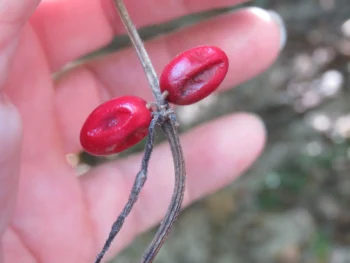
- Seasonal interest: Small red berries follow the flowers, providing additional wildlife food and visual appeal
- Adaptability: Its facultative wetland status means it can handle both moist and drier conditions
Growing Conditions and Care
Fivelobe cucumber is suited for USDA hardiness zones 7-10, making it a great option for gardeners in the South and lower Midwest. Here’s what it needs to thrive:
Light and Location
This vine adapts well to partial shade through full sun conditions. It’s perfect for woodland edges, naturalized areas, or anywhere you need a native climber that doesn’t mind some shade.
Soil and Water
One of the great things about fivelobe cucumber is its adaptability to different moisture levels. Its facultative wetland status across multiple regions means it can handle both wet and dry conditions, though it seems to prefer moderate moisture.
Support and Space
Like most vines, fivelobe cucumber will need something to climb on. Provide a trellis, fence, or let it scramble through existing shrubs. Be prepared for it to spread – this vine can be quite vigorous once established.
Best Uses in the Garden
Fivelobe cucumber shines in these garden settings:
- Wildlife gardens: Perfect for creating habitat and food sources for native creatures
- Naturalized landscapes: Ideal for areas where you want a more wild, natural look
- Woodland gardens: Great for adding vertical interest in shadier spots
- Native plant gardens: An interesting addition to collections of southeastern natives
- Privacy screening: Can provide seasonal screening when given proper support
Potential Drawbacks to Consider
Before you rush out to find seeds, consider these potential challenges:
- Limited availability: This isn’t a common nursery plant, so sourcing may require some detective work
- Vigorous growth: Like many vines, it may spread more than you initially planned
- Seasonal nature: As a herbaceous vine, it dies back in winter, leaving bare support structures
- Unknown longevity: Its dual annual/perennial nature means it might not return reliably every year
The Bottom Line
Fivelobe cucumber is one of those native plants that deserves more attention. While it may not have the showy flowers of some vines, its unique foliage, wildlife benefits, and native status make it a worthy addition to the right garden. It’s particularly valuable for gardeners who want to support native ecosystems while adding something a little different to their landscape.
If you’re in its native range and looking for a climbing vine that offers something beyond the usual suspects, fivelobe cucumber might be just the quirky native you’ve been seeking. Just be sure to source your plants or seeds responsibly, and give it the space and support it needs to show off those distinctive five-lobed leaves.