Fivelobe St. Johnswort: A Hidden Gem for Native Plant Enthusiasts
If you’re looking for a charming native shrub that doesn’t demand much attention but delivers plenty of character, let me introduce you to fivelobe St. Johnswort (Hypericum lobocarpum). This delightful little shrub might not be the showiest plant in your garden, but it’s definitely one of the most reliable – and your local pollinators will absolutely love you for planting it!
What Makes Fivelobe St. Johnswort Special?
Fivelobe St. Johnswort is a true American native, calling the south-central and southeastern United States home. As a perennial shrub, it comes back year after year, slowly building its presence in your landscape without taking over. Think of it as the reliable friend who’s always there when you need them – steady, dependable, and surprisingly charming once you get to know them better.
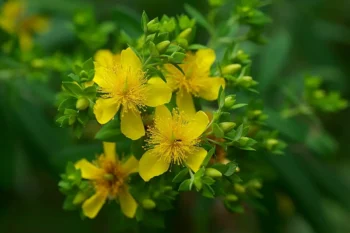
This multi-stemmed woody plant typically stays under 13-16 feet tall, though most specimens you’ll encounter are much more compact. Its small, oval leaves create a fine texture that plays beautifully with bolder foliage plants, while its cheerful yellow flowers add sunny spots of color from summer into early fall.
Where You’ll Find This Native Beauty
In the wild, fivelobe St. Johnswort grows across nine states: Arkansas, Illinois, Kentucky, Louisiana, Mississippi, Missouri, Oklahoma, Tennessee, and Texas. If you live in this region, you’re already working with a plant that’s perfectly adapted to your local climate and soil conditions – nature’s way of making your gardening life a little easier!
- Species observed
- No observations
Why Your Garden (and Local Wildlife) Will Thank You
Here’s where fivelobe St. Johnswort really shines: it’s a pollinator magnet. Those bright yellow, five-petaled flowers aren’t just pretty to look at – they’re like tiny landing pads for native bees, butterflies, and other beneficial insects. By choosing this native over non-native alternatives, you’re supporting the complex web of local wildlife that depends on indigenous plants.
From a design perspective, this shrub is wonderfully versatile. Use it in:
- Native plant gardens as a reliable backbone species
- Woodland gardens where it can naturalize gracefully
- Pollinator gardens as a consistent nectar source
- Mixed borders where its fine texture provides contrast
Growing Conditions: Easy Does It
One of the best things about fivelobe St. Johnswort is how accommodating it is. This shrub thrives in USDA hardiness zones 6-9, handling everything from mild winters to hot, humid summers with grace.
As for growing conditions, it’s refreshingly undemanding:
- Sunlight: Full sun to partial shade (it’s flexible!)
- Soil: Well-drained soils of various types
- Water: Drought tolerant once established
- Maintenance: Minimal – just prune after flowering if you want to shape it
Planting and Care Tips for Success
Getting fivelobe St. Johnswort established is straightforward, even for beginning gardeners. Plant it in spring or fall when temperatures are moderate. While it adapts to various soil types, make sure drainage is good – soggy roots are about the only thing that’ll make this tough little shrub unhappy.
Water regularly during its first growing season to help establish a strong root system, then step back and let it do its thing. Once established, it’s remarkably drought tolerant, making it perfect for low-maintenance landscapes or areas where you want beauty without the fuss.
If you want to keep it tidy or encourage bushier growth, prune lightly after the flowering period ends. But honestly? This is one plant that looks great with a more natural, unmanicured appearance.
The Bottom Line: A Native Worth Growing
Fivelobe St. Johnswort might not be the flashiest plant at the garden center, but it embodies everything we love about native plants: it’s adapted to local conditions, supports wildlife, requires minimal care, and adds genuine charm to the landscape. If you live within its native range and want to create a more sustainable, wildlife-friendly garden, this unassuming shrub deserves a spot in your plans.
Plus, there’s something deeply satisfying about growing a plant that truly belongs in your landscape – one that was thriving in your area long before garden centers and irrigation systems existed. Fivelobe St. Johnswort connects you to the natural heritage of your region while creating a beautiful, functional landscape that supports the web of life around you.