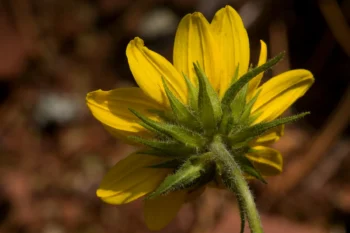
Fivenerve Helianthella: A Bright Western Native for Your Garden
If you’re looking for a cheerful, low-maintenance native wildflower that can handle tough conditions while supporting local wildlife, meet the fivenerve helianthella (Helianthella quinquenervis). This sunny perennial brings a splash of golden color to western gardens and deserves a spot in more native plant collections.
What is Fivenerve Helianthella?
Fivenerve helianthella is a native perennial forb that belongs to the sunflower family. As a forb, it’s an herbaceous flowering plant without woody stems—think of it as the wildflower cousin to shrubs and trees. This hardy native has been brightening western landscapes for centuries, and it’s perfectly adapted to the challenging conditions of its home range.
You might occasionally see this plant listed under its synonym Helianthus quinquenervis, but don’t let the name confusion fool you—it’s the same delightful wildflower.
Where Does It Grow Naturally?
This western beauty calls ten states home, spanning a wide range across the American West. You’ll find native populations thriving in Arizona, Colorado, Idaho, Montana, Nevada, New Mexico, Oregon, South Dakota, Utah, and Wyoming. It’s particularly well-suited to mountainous regions and can handle the temperature swings and challenging growing conditions that come with high-elevation life.
- Species observed
- No observations
Why Plant Fivenerve Helianthella in Your Garden?
There are several compelling reasons to consider adding this native wildflower to your landscape:
- Stunning summer blooms: Large, bright yellow daisy-like flowers (2-4 inches across) create eye-catching displays from mid to late summer
- Pollinator magnet: Bees, butterflies, and other native pollinators flock to these nectar-rich flowers
- Low maintenance: Once established, it’s remarkably drought-tolerant and requires minimal care
- Native plant benefits: Supports local ecosystems and provides authentic regional character to your garden
- Versatile growing conditions: Adaptable to various moisture levels, from upland sites to areas with occasional wetness
Perfect Garden Settings
Fivenerve helianthella shines in several garden styles:
- Wildflower and native plant gardens: A natural choice for authentic western landscapes
- Xeriscaping projects: Its drought tolerance makes it ideal for water-wise gardening
- Pollinator gardens: Essential for supporting native bee and butterfly populations
- Mountain and alpine gardens: Perfect for recreating high-elevation plant communities
- Naturalized areas: Great for transitional spaces between cultivated and wild areas
Growing Conditions and Care
One of the best things about fivenerve helianthella is its adaptability. This resilient native thrives in USDA hardiness zones 3-8, making it suitable for a wide range of climates.
Light requirements: Full sun is best, though it can tolerate some light shade
Soil preferences: Well-draining soil is essential. It’s not particularly fussy about soil type but doesn’t appreciate soggy conditions
Water needs: Drought-tolerant once established, but appreciates occasional deep watering during extended dry periods
Moisture adaptability: Interestingly, this plant shows different moisture preferences depending on region—it typically favors drier upland sites in the Arid West and Western Mountains, but may occur in wetter areas in the Great Plains
Planting and Care Tips
Getting your fivenerve helianthella off to a good start is straightforward:
- Timing: Plant in spring after the last frost or in early fall
- Spacing: Give plants adequate room to spread and establish
- Watering: Provide regular water the first growing season, then reduce frequency as the plant establishes
- Maintenance: Cut back spent flower stems in fall to tidy the garden and potentially encourage self-seeding
- Fertilizer: Generally unnecessary—native plants typically prefer lean soil conditions
A Garden Workhorse Worth Growing
Fivenerve helianthella might not be the flashiest plant in the garden center, but it’s exactly the kind of reliable, beneficial native that forms the backbone of successful wildlife gardens. Its bright summer blooms, pollinator appeal, and tough-as-nails constitution make it a smart choice for gardeners who want beauty without the fuss.
Whether you’re creating a dedicated native plant garden or simply want to add some authentic western character to your landscape, this cheerful wildflower delivers season after season. Your local bees and butterflies will thank you, and you’ll enjoy the satisfaction of growing a plant that truly belongs in your regional ecosystem.