Fivepetal Cliffbush: A Tough Native Shrub for Challenging Landscapes
If you’re looking for a resilient native shrub that can handle whatever Mother Nature throws at it, meet the fivepetal cliffbush (Jamesia americana). This unassuming but hardy perennial shrub might just become your new best friend, especially if you’re dealing with those tricky spots in your garden where nothing else seems to thrive.
What Makes Fivepetal Cliffbush Special?
Native to seven western states—Arizona, California, Colorado, Nevada, New Mexico, Utah, and Wyoming—this multi-stemmed shrub has earned its place in the native plant hall of fame. Don’t let its modest appearance fool you; this plant is a survivor that brings both beauty and practicality to your landscape.
- Species observed
- No observations
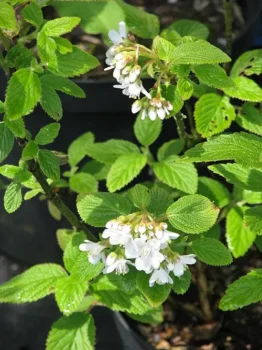
The fivepetal cliffbush typically grows as a moderate-sized shrub, reaching about 6 feet tall at maturity with a moderate growth rate. Its irregular, multi-stemmed form gives it a naturally wild appearance that fits perfectly into naturalistic garden designs. In spring, it puts on a show with conspicuous white flowers, followed by attractive brown seeds that add visual interest through summer and fall.
Why You’ll Want This Plant in Your Garden
Here’s where fivepetal cliffbush really shines—it’s practically bulletproof once established. This shrub laughs in the face of drought, thrives in rocky soils, and asks for very little in return. Here are the top reasons to consider adding it to your landscape:
- Extreme drought tolerance: Perfect for water-wise gardening and xeriscaping
- Low maintenance: Minimal fertilizer needs and naturally pest-resistant
- Fire resistant: A smart choice for fire-prone areas
- Native pollinator support: Early spring blooms provide nectar when few other plants are flowering
- Erosion control: Great for slopes and challenging terrain
- Adaptable: Handles both coarse and medium-textured soils
Perfect Garden Roles
Fivepetal cliffbush isn’t meant to be the star of a formal garden, but it’s absolutely perfect for:
- Rock gardens and naturalistic landscapes
- Xeriscaping and drought-tolerant garden designs
- Native plant gardens and restoration projects
- Slope stabilization and erosion control
- Wildlife habitat gardens
- Low-maintenance landscape borders
Growing Conditions and Care
The beauty of fivepetal cliffbush lies in its simplicity. This plant prefers alkaline soils with a pH between 7.0 and 8.5, making it ideal for areas where many other plants struggle. It’s adapted to receive between 9 and 24 inches of precipitation annually, so it’s built for dry conditions.
Here are the key growing requirements:
- Sunlight: Full sun (shade intolerant)
- Soil: Well-draining, coarse to medium texture, alkaline preferred
- Water: Low to medium moisture use once established
- Hardiness: Can handle temperatures down to -23°F
- Spacing: Plant 1,000 to 3,000 per acre for restoration projects
Planting and Care Tips
Getting your fivepetal cliffbush established is straightforward, but here are some pro tips for success:
- Timing: Plant in early spring or fall when temperatures are moderate
- Soil prep: Ensure excellent drainage—this plant hates wet feet
- Initial watering: Provide regular water the first growing season, then reduce significantly
- Fertilizing: Skip the fertilizer—this plant prefers lean soils
- Pruning: Minimal pruning needed; this shrub has good natural form
- Propagation: Can be grown from seed, cuttings, or purchased in containers
A Few Considerations
While fivepetal cliffbush is generally wonderful, it’s not perfect for every situation. This shrub is classified as Facultative Upland, meaning it usually prefers non-wetland conditions, so don’t plant it in consistently moist areas. It’s also quite shade intolerant, so save it for your sunny spots.
Additionally, this plant is currently only available through specialty native plant contractors, so you might need to do some hunting to find it or plan ahead for your planting projects.
The Bottom Line
Fivepetal cliffbush might not be the flashiest plant in the native plant world, but it’s definitely one of the most reliable. If you’re looking to create a sustainable, low-maintenance landscape that supports native wildlife while handling tough growing conditions, this shrub deserves serious consideration. It’s proof that sometimes the most unassuming plants make the biggest impact in creating resilient, beautiful gardens that work with nature rather than against it.