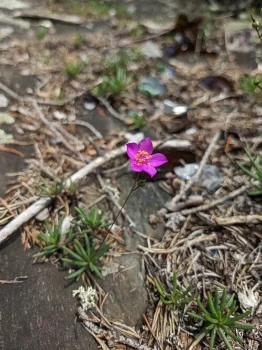
Flameflower: The Unsung Hero of Low-Maintenance Native Gardening
If you’re looking for a native plant that won’t demand constant attention but still brings charm to your garden, let me introduce you to flameflower (Phemeranthus). This delightful little perennial might not be the flashiest plant in the nursery, but it’s exactly the kind of reliable, low-fuss native that makes gardening feel less like work and more like magic.
What Makes Flameflower Special?
Flameflower belongs to a group of hardy perennial herbs that have mastered the art of thriving without drama. As a forb—basically a non-woody flowering plant—it brings delicate beauty to the garden without the maintenance headaches that come with more demanding species.
What really sets flameflower apart is its incredible adaptability. This native beauty has made itself at home across an impressive range of North American landscapes, from the prairies of the Midwest to the mountains of the West.
Where Does Flameflower Call Home?
Talk about a well-traveled native! Flameflower naturally occurs across a vast swath of North America, thriving in states from Alabama to Wyoming, and even extending into British Columbia. You’ll find it growing wild in Alabama, Arizona, Arkansas, Colorado, Delaware, Georgia, Illinois, Indiana, Iowa, Kansas, Kentucky, Louisiana, Maryland, Minnesota, Missouri, Nebraska, New Mexico, North Carolina, North Dakota, Oklahoma, Oregon, Pennsylvania, South Carolina, South Dakota, Tennessee, Texas, Utah, Virginia, Washington, West Virginia, Wisconsin, and Wyoming.
- Species observed
- No observations
Why Your Garden (and Local Wildlife) Will Love Flameflower
Here’s where flameflower really shines as a garden addition:
- Drought tolerance: Once established, flameflower shrugs off dry spells like a champ
- Low maintenance: This isn’t a plant that will guilt-trip you if you forget to fuss over it
- Native pollinator magnet: Small but mighty flowers attract beneficial insects
- Versatile placement: Works beautifully in rock gardens, prairie plantings, or naturalized areas
- Authentic local character: Adds genuine regional flavor to your landscape
Perfect Spots for Flameflower in Your Landscape
Flameflower isn’t trying to be the star of your garden—it’s more like that reliable friend who makes everything better just by being there. Consider using it in:
- Rock gardens where its delicate texture softens hard edges
- Prairie or meadow plantings for authentic native character
- Xeriscapes where water conservation is priority
- Naturalized areas that benefit from low-maintenance groundcover
- Native plant gardens focused on supporting local ecosystems
Growing Flameflower: Easier Than You Think
The best news about flameflower? It practically grows itself once you get it established. Here’s what this accommodating native prefers:
Sunlight: Full sun to partial shade—it’s not picky about getting the perfect spot
Soil: The golden rule is drainage, drainage, drainage. Flameflower despises soggy feet, so well-draining soil is non-negotiable. Beyond that, it’s surprisingly adaptable to different soil types.
Water: Moderate water during establishment, then it’s pretty much drought-tolerant. Think water deeply but infrequently rather than constant sprinkles.
Climate zones: Generally hardy across USDA zones 3-9, though this can vary depending on your specific local conditions and the particular species.
Planting and Care Tips
Getting flameflower established is refreshingly straightforward:
- Plant in spring or fall when temperatures are moderate
- Ensure excellent drainage—amend heavy clay soils with compost or sand if needed
- Water regularly for the first growing season to establish roots
- Once established, step back and let it do its thing
- Deadheading spent flowers can encourage more blooms, but it’s not required
- May self-seed in ideal conditions, giving you bonus plants
The Bottom Line on Flameflower
If you’re building a sustainable, low-maintenance garden that supports native wildlife while looking effortlessly beautiful, flameflower deserves a spot on your plant list. It’s not going to stop traffic with flashy blooms, but it will quietly do its job year after year, supporting pollinators, conserving water, and adding authentic native character to your landscape.
In a world of high-maintenance garden divas, sometimes what we really need is a dependable native that just gets on with the business of growing beautifully. That’s flameflower in a nutshell—undemanding, authentic, and surprisingly rewarding for the gardener who appreciates understated excellence.