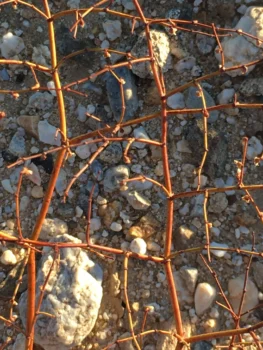
Flatcrown Buckwheat: A Hardy Native Annual for Southwestern Gardens
If you’re looking for a low-maintenance native plant that thrives in challenging conditions, flatcrown buckwheat (Eriogonum deflexum var. deflexum) might be exactly what your garden needs. This unassuming little annual packs a punch when it comes to drought tolerance and wildlife value, making it a smart choice for water-wise landscaping in the American Southwest.
What Is Flatcrown Buckwheat?
Flatcrown buckwheat is a native annual forb that belongs to the buckwheat family. Don’t let the name fool you – this isn’t related to the grain we eat for breakfast! As an herbaceous plant without woody stems, it completes its entire life cycle in just one growing season. You might also see it listed under several scientific synonyms, including Eriogonum clutei and Eriogonum turbinatum, but they all refer to the same resilient little plant.
Where Does It Grow Naturally?
This southwestern native calls the arid regions of five states home: Arizona, California, Nevada, New Mexico, and Utah. It’s perfectly adapted to the harsh desert conditions found throughout these areas, thriving in places where many other plants would struggle to survive.
- Species observed
- No observations
Why Choose Flatcrown Buckwheat for Your Garden?
There are several compelling reasons to consider adding this native annual to your landscape:
- Ultimate drought tolerance: Once established, it requires virtually no supplemental watering
- Pollinator magnet: The small clusters of white to pinkish flowers attract bees, butterflies, and other beneficial insects
- Low maintenance: Being an annual, it doesn’t require pruning or ongoing care
- Native plant benefits: Supports local ecosystems and wildlife
- Adaptable: Thrives in poor soils where other plants fail
Perfect Garden Settings
Flatcrown buckwheat shines in specific landscape situations:
- Rock gardens and xeriscapes
- Desert-themed landscapes
- Naturalized wildflower areas
- Slopes and challenging terrain
- Water-wise commercial landscapes
Its low-growing habit makes it an excellent ground cover option, especially in areas where you want something that looks natural rather than overly manicured.
Growing Conditions and Care
The beauty of flatcrown buckwheat lies in its simplicity. This plant thrives in conditions that would stress many garden favorites:
- Sunlight: Full sun is essential
- Soil: Well-draining sandy or rocky soils preferred
- Water: Minimal once established; excellent drought tolerance
- Climate: Hardy in USDA zones 4-9
Planting and Establishment Tips
Getting flatcrown buckwheat started in your garden is refreshingly straightforward:
- Direct seed in fall or early spring for best results
- Scatter seeds over prepared soil and lightly rake in
- Water gently until germination occurs
- Once established, step back and let nature take its course
- Seeds may self-sow for future seasons
The key is remembering that less is more with this plant. Overwatering or over-fertilizing can actually harm its performance.
Is Flatcrown Buckwheat Right for Your Garden?
This native annual is ideal if you’re gardening in the southwestern United States and want to create a sustainable, low-water landscape that supports local wildlife. It’s particularly valuable for gardeners dealing with poor soils, slopes, or areas where irrigation is challenging or undesirable.
However, if you’re looking for a showy centerpiece plant or something that provides structure year-round, you might want to pair flatcrown buckwheat with other native perennials and shrubs. As an annual, it will complete its cycle and disappear until the next growing season.
For southwestern gardeners committed to native plant landscaping, flatcrown buckwheat offers an authentic piece of the desert ecosystem that’s both beautiful and beneficial. Sometimes the most unassuming plants turn out to be the most rewarding!