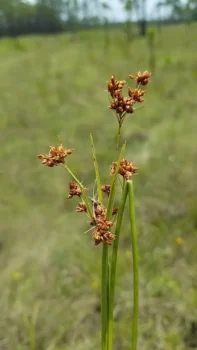
Flatfruit Beaksedge: A Hidden Gem for Wetland Gardens
Meet the flatfruit beaksedge (Rhynchospora compressa), a charming little sedge that’s practically begging to be the unsung hero of your wetland garden! While it might not win any beauty contests with flashy flowers, this native southeastern charmer brings something special to the table – authentic wetland character and rock-solid reliability in soggy spots where other plants fear to tread.
What Exactly Is Flatfruit Beaksedge?
Don’t let the name fool you – flatfruit beaksedge isn’t a grass, though it sure looks like one! This little sedge is part of the Cyperaceae family, making it a grass-like plant that knows how to handle wet feet better than most. It can behave as either an annual or perennial depending on growing conditions, which gives it some flexibility in how it fits into your garden’s rhythm.
Where Does It Call Home?
This southeastern native has made itself comfortable across six states in the lower 48: Alabama, Florida, Georgia, Louisiana, Mississippi, and South Carolina. It’s perfectly at home in the Atlantic and Gulf Coastal Plain regions, where it’s classified as an Obligate Wetland plant – fancy talk for this little guy almost always lives in wetlands!
- Species observed
- No observations
Why You Might Want This Wetland Wonder
Here’s where flatfruit beaksedge really shines – it’s your go-to plant when you need something authentic for those perpetually soggy spots in your yard. If you’re creating a rain garden, restoring a wetland area, or just trying to make peace with that boggy corner that never seems to dry out, this native sedge is your new best friend.
While it won’t wow you with showy blooms (we’re talking small, brown flower clusters here), it brings a lovely textural element to naturalistic landscapes. Think of it as the supporting actor that makes all the other wetland plants look even better!
Perfect Garden Spots for Flatfruit Beaksedge
This little sedge is ideal for:
- Wetland restoration projects
- Rain gardens and bioswales
- Bog gardens
- Native plant gardens with wet areas
- Naturalistic landscapes near water features
- Areas that stay consistently moist or wet
Growing Conditions That Make It Happy
Flatfruit beaksedge is refreshingly straightforward about what it wants:
- Sunlight: Full sun to partial shade (it’s pretty flexible here!)
- Soil: Consistently moist to wet soils – think soggy, not just damp
- pH: Prefers acidic conditions
- Hardiness: Thrives in USDA zones 8-10
Planting and Care Tips
The beauty of working with native wetland plants like flatfruit beaksedge is that they’re generally low-maintenance once you get them established in the right spot. Here’s how to set them up for success:
Getting Started: Plant in spring when soil temperatures are warming up. Make sure your planting site stays consistently moist – this isn’t the plant for well-drained garden beds!
Ongoing Care: Once established, flatfruit beaksedge is pretty much a plant it and forget it kind of native. The key is maintaining consistent moisture levels. A layer of organic mulch can help retain moisture and suppress weeds while the plants get established.
Maintenance: Minimal! Just keep an eye on moisture levels, especially during dry spells, and remove any competing weeds while plants are getting established.
Wildlife and Ecosystem Benefits
While flatfruit beaksedge might seem modest, it plays an important role in wetland ecosystems. As part of the natural plant community, it helps stabilize soil, provides habitat structure for small wetland creatures, and contributes to the overall health of wet areas. Its seeds may provide food for wetland birds, though it’s not a major wildlife magnet on its own.
The Bottom Line
Flatfruit beaksedge won’t be the star of your garden show, but it’s exactly the kind of reliable, authentic native plant that makes wetland gardens work. If you’re dealing with consistently wet areas and want to create something that looks natural and functions well ecologically, this little sedge deserves a spot on your plant list. It’s particularly valuable for gardeners committed to using regional natives and creating authentic wetland habitats.
Just remember – this is a plant for wet spots only! If you’re looking for something for regular garden beds, you’ll want to explore other native options that can handle more typical soil conditions.