Flatglobe Dodder: A Parasitic Native You Probably Don’t Want in Your Garden
Meet flatglobe dodder (Cuscuta umbellata), a fascinating but problematic native plant that’s more likely to be considered a garden nuisance than a desirable addition to your landscape. This annual parasitic plant has a unique lifestyle that makes it quite different from the typical natives we recommend for home gardens.
What is Flatglobe Dodder?
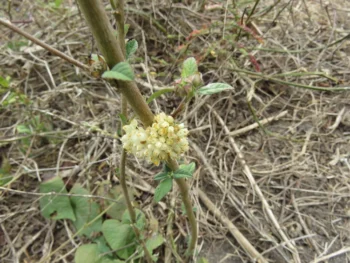
Flatglobe dodder is an annual forb that belongs to a group of plants commonly known as dodders. Unlike most plants, this species is parasitic, meaning it cannot produce its own food through photosynthesis. Instead, it must latch onto host plants and steal nutrients directly from them. The plant appears as thin, thread-like orange to yellow stems that create tangled masses over whatever vegetation it encounters.
You might also see this plant referred to by its scientific synonyms, including Cuscuta umbellata var. reflexa or Grammica umbellata, but flatglobe dodder remains the most widely recognized common name.
Where Does Flatglobe Dodder Grow?
This native species has quite an extensive range across the warmer regions of North America. You’ll find flatglobe dodder naturally occurring in Arizona, Colorado, Florida, Kansas, Louisiana, New Mexico, Oklahoma, and Texas, as well as in Puerto Rico and the U.S. Virgin Islands.
- Species observed
- No observations
The plant thrives in USDA hardiness zones 8 through 11, preferring the warm climates where it can complete its annual lifecycle before cold weather arrives.
Why You Probably Don’t Want This Native
While we typically champion native plants, flatglobe dodder presents some unique challenges that make it unsuitable for most garden settings:
- Parasitic nature: It will attach to and potentially weaken or kill your desirable garden plants
- Difficult to control: Once established, it can quickly spread and overwhelm host vegetation
- Limited aesthetic appeal: The tangled orange masses aren’t particularly attractive in a designed landscape
- No independent growth: Cannot survive without host plants, making intentional cultivation impractical
Identifying Flatglobe Dodder
Recognition is key to managing this species in your garden. Look for these characteristics:
- Thin, string-like stems in shades of orange, yellow, or sometimes reddish
- Stems that wrap around and climb over other plants
- Tiny white to cream-colored flowers arranged in small, dense clusters
- No visible leaves (they’re reduced to tiny scales)
- Orange or yellow tangled masses that can cover entire shrubs or plant communities
Managing Flatglobe Dodder
If you discover flatglobe dodder in your garden, prompt action is important:
- Remove immediately: Pull up all visible dodder stems, being careful to get attachment points
- Dispose properly: Don’t compost dodder material – dispose of it in regular trash
- Monitor closely: Watch for regrowth and remove any new shoots quickly
- Check host plants: Severely infested host plants may need to be removed entirely
Ecological Role and Wildlife Value
Despite its troublesome nature in gardens, flatglobe dodder does play a role in natural ecosystems. Its small flowers can provide nectar for tiny insects, though the overall wildlife benefit is minimal compared to other native plants you could choose for your garden.
Better Native Alternatives
Instead of dealing with the challenges of flatglobe dodder, consider these well-behaved native alternatives that provide excellent wildlife value without the parasitic problems:
- Native wildflowers like blanket flower (Gaillardia) or black-eyed Susan (Rudbeckia)
- Native grasses such as buffalo grass or blue grama
- Native shrubs like agarito or fragrant sumac
The Bottom Line
While flatglobe dodder is indeed a native species worthy of respect in natural settings, it’s not a plant most gardeners want to encourage. Its parasitic lifestyle makes it more of a management challenge than a garden asset. Focus your native plant efforts on species that will enhance your landscape without threatening your other beloved plants.
Remember, being native doesn’t automatically mean a plant belongs in every garden setting. Sometimes the best approach with a native like flatglobe dodder is simply to appreciate it from a distance in its natural habitat while keeping it out of your cultivated spaces.