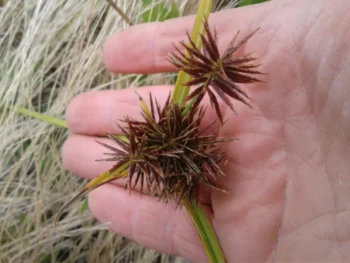
Flatsedge: The Unassuming Native Sedge That Might Just Surprise You
If you’re looking for a low-maintenance, grass-like plant that won’t demand constant attention, flatsedge (Cyperus) might be worth a second look. This humble sedge doesn’t win any beauty contests, but it’s got some qualities that make it interesting for certain garden situations.
What Exactly Is Flatsedge?
Flatsedge belongs to the sedge family, which means it’s not actually a true grass despite its grass-like appearance. The telltale sign? Those distinctive triangular stems that sedges are famous for. Unlike grasses with their round, hollow stems, flatsedge stems have edges – hence the flat in flatsedge.
This plant can be either annual or perennial depending on the specific variety, and it forms the typical clumping growth habit you’d expect from a sedge family member.
Where Does Flatsedge Call Home?
Here’s where things get interesting – flatsedge has one of the most extensive distributions you’ll find in a North American plant. It grows naturally across virtually every U.S. state and most Canadian provinces, from Alberta to Florida and everywhere in between. The plant is definitively native to Navassa Island, though its native status varies across other regions.
- Species observed
- No observations
Should You Plant Flatsedge in Your Garden?
The honest answer? It depends on what you’re trying to achieve. Flatsedge isn’t going to be the star of your flower border, but it has its place in certain garden scenarios:
- Naturalized areas: Perfect for creating that wild meadow look
- Rain gardens: Its tolerance for varying moisture levels makes it suitable for areas that experience both wet and dry periods
- Erosion control: The clumping growth habit helps stabilize soil
- Low-maintenance landscapes: Once established, it pretty much takes care of itself
Wildlife Value: It’s Complicated
While flatsedge does provide some wildlife benefits, let’s be realistic about its limitations. Research shows that it makes up only 2-5% of the diet for small mammals, water birds, and terrestrial birds. It also provides sparse cover for these animals. So if you’re looking to create a wildlife magnet, flatsedge alone won’t do the trick – but it can be part of a diverse native plant community.
Growing Flatsedge Successfully
The beauty of flatsedge lies in its adaptability. While specific growing requirements can vary among the different species within the Cyperus genus, most share some common preferences:
- Moisture: Generally prefers consistently moist soil but can tolerate some variation
- Light: Full sun to partial shade
- Soil: Adaptable to various soil types
- Maintenance: Low once established
The Bottom Line
Flatsedge isn’t the flashiest plant you’ll ever grow, but it’s reliable, widespread, and fills a specific niche in naturalized landscapes. If you’re creating a rain garden, working on erosion control, or simply want a low-maintenance grass-like plant for a naturalized area, flatsedge could be exactly what you need.
Just remember – this isn’t the plant for formal garden beds or high-impact landscaping. Think of flatsedge as the dependable friend who’s always there when you need them, even if they’re not the life of the party.