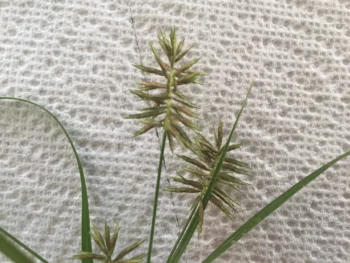
Flatsedge: A Mystery Native Sedge Worth Knowing
Meet Cyperus pseudothyrsiflorus, commonly known as flatsedge—a native sedge that’s as elusive in gardens as it is in botanical literature. This perennial grass-like plant belongs to the sedge family (Cyperaceae) and represents one of those fascinating native species that reminds us there’s still so much to discover about our local flora.
Where You’ll Find This Native Gem
Flatsedge is native to the United States, specifically documented in Texas. As a true native plant, it has evolved alongside local ecosystems and wildlife over thousands of years, making it a valuable addition to native plant gardens—if you can find it!
- Species observed
- No observations
The Challenge of Growing Uncommon Natives
Here’s where things get interesting (and a bit tricky). Cyperus pseudothyrsiflorus falls into that category of native plants that aren’t well-documented in cultivation. While we know it’s a perennial sedge native to Texas, specific growing requirements, mature size, and garden performance details are largely unknown in horticultural circles.
What We Do Know
As a member of the sedge family, flatsedge shares some general characteristics with its better-known cousins:
- Perennial growth habit, meaning it returns year after year
- Grass-like appearance with triangular stems (typical of sedges)
- Likely adapted to specific moisture and soil conditions in its native Texas habitat
- Part of the diverse Cyperus genus, which includes many wetland and moisture-loving species
Should You Grow It?
The honest answer? It’s complicated. While supporting native plants is always admirable, the lack of cultivation information for Cyperus pseudothyrsiflorus presents some challenges:
- Limited availability from nurseries specializing in native plants
- Unknown growing requirements could lead to gardening frustration
- Proper identification is crucial—sedges can be tricky to tell apart
Better-Known Native Alternatives
If you’re drawn to native sedges for your Texas garden, consider these well-documented alternatives:
- Texas sedge (Carex texensis) – excellent for dry shade
- Fringed sedge (Carex crinita) – thrives in moist conditions
- Yellow nutsedge (Cyperus esculentus) – though be cautious as it can be aggressive
The Bottom Line
Cyperus pseudothyrsiflorus represents the fascinating world of lesser-known native plants. While we can’t provide a complete growing guide due to limited horticultural information, its native status makes it ecologically valuable. If you encounter this species in the wild, take a moment to appreciate this piece of Texas’s natural heritage.
For gardeners passionate about growing uncommon natives, working with local native plant societies, botanical gardens, or university extension programs might help you learn more about this mysterious flatsedge and potentially source properly identified specimens.
Sometimes the most rewarding native plants are the ones that make us work a little harder to understand them!