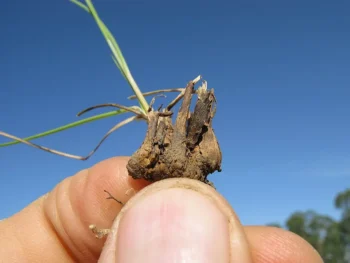
Flatspike Sedge: A Humble Native Hero for Wet Gardens
Meet the flatspike sedge (Abildgaardia ovata), a plant that might not win any beauty contests but deserves serious consideration for your native garden. This unassuming little sedge is one of those quiet achievers that does important work behind the scenes, especially if you’re dealing with wet or boggy areas in your landscape.
What Exactly Is Flatspike Sedge?
Flatspike sedge is a perennial, grass-like plant that belongs to the sedge family. Don’t let the name fool you – while it looks like grass, it’s actually quite different. This native sedge forms small clumps of narrow, green leaves topped with tiny, inconspicuous flower spikes. It’s the kind of plant that blends seamlessly into naturalistic settings, creating texture and movement without demanding attention.
Where Does It Call Home?
This adaptable native has quite the impressive range! Flatspike sedge naturally occurs throughout the southeastern United States, particularly in Florida, and extends into tropical regions including Puerto Rico, the Virgin Islands, Guam, and Palau. It’s truly a cosmopolitan native, thriving in warm, humid climates across multiple continents.
- Species observed
- No observations
Why You Might Want to Plant It
Let’s be honest – flatspike sedge isn’t going to be the showstopper in your garden. But here’s why it might just become one of your most valuable plants:
- Water management champion: This sedge loves wet feet and can handle everything from consistently moist soil to periodic flooding
- True native credentials: Supporting local ecosystems with plants that belong here
- Low maintenance: Once established, it pretty much takes care of itself
- Naturalistic appeal: Perfect for creating authentic-looking wetland and prairie plantings
- Erosion control: Those roots help stabilize soil in wet areas
Where It Shines in Your Landscape
Flatspike sedge isn’t suited for formal flower borders or drought-tolerant gardens. Instead, think of it as your go-to plant for:
- Rain gardens and bioswales
- Pond or water feature edges
- Wetland restoration projects
- Naturalistic prairie or meadow plantings
- Areas with drainage issues
Growing Conditions and Care
The good news? Flatspike sedge is refreshingly undemanding once you understand its preferences:
Sunlight: Full sun to partial shade – it’s quite flexible
Soil: Moist to wet soils are essential. This plant can handle standing water and periodic flooding, making it perfect for problem areas where other plants struggle.
Climate: Hardy in USDA zones 8-11, so it’s limited to warmer regions. If you live in the Southeast, Caribbean, or similar warm, humid climates, you’re in luck.
Maintenance: Minimal once established. You might want to cut it back in late winter if it looks tired, but otherwise, just let it do its thing.
The Reality Check
Let’s set expectations appropriately: flatspike sedge is not going to provide dramatic color, showy flowers, or architectural form. Its flowers are tiny and brownish, and the overall effect is quite subtle. If you’re looking for bold garden statements, this isn’t your plant.
However, if you’re creating naturalistic plantings, dealing with wet areas, or want to support native ecosystems, flatspike sedge offers genuine value. It’s one of those foundational plants that provides structure and ecological function while allowing more showy natives to take center stage.
Wildlife and Ecological Benefits
While not a major pollinator magnet (sedges are wind-pollinated), flatspike sedge contributes to the ecosystem in other ways. The seeds may provide food for small birds, and the plant structure offers shelter for tiny creatures navigating wetland environments. It’s also helping maintain the natural plant communities where it belongs.
The Bottom Line
Flatspike sedge is a specialist plant for specific situations. If you have wet areas in your landscape and want to plant something that truly belongs in your region’s natural systems, this humble sedge deserves consideration. Just don’t plant it expecting fireworks – plant it because you appreciate the quiet beauty of native plant communities and want to be part of supporting them.
Sometimes the most important plants in our gardens are the ones that do their job without fanfare. Flatspike sedge is definitely one of those unsung heroes.