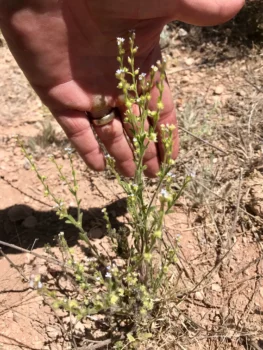
Flatspine Stickseed: A Hardy Native Wildflower for Naturalized Gardens
If you’re looking to add authentic North American native plants to your garden, flatspine stickseed (Lappula occidentalis var. occidentalis) might just be the unassuming hero your landscape needs. While this modest annual won’t win any beauty contests, it brings something far more valuable to the table: genuine ecological benefits and effortless adaptability.
What is Flatspine Stickseed?
Flatspine stickseed is a native North American forb—essentially a non-woody flowering plant that completes its life cycle in one to two years. Don’t let its humble appearance fool you; this little wildflower has been quietly supporting our continent’s ecosystems for centuries. As its common name suggests, the plant produces small, stick-like seeds that can attach to clothing or animal fur, earning it a place in the hitchhiker category of plants.
Where Does It Grow Naturally?
This remarkably adaptable native has one of the most impressive natural ranges you’ll find in North American flora. Flatspine stickseed grows naturally across an enormous territory, from the frigid landscapes of Alaska and northern Canada all the way south to states like Texas and South Carolina. You’ll find it thriving in dozens of states and provinces, including Alberta, British Columbia, Montana, Colorado, Minnesota, and many others.
- Species observed
- No observations
Why Consider Growing Flatspine Stickseed?
Let’s be honest—you probably won’t plant flatspine stickseed for its stunning visual impact. The small blue flowers are pleasant but hardly showstoppers. However, there are several compelling reasons to welcome this native into your garden:
- Pollinator support: The modest flowers provide nectar and pollen for various small native bees and beneficial insects
- Authentic native landscaping: Perfect for creating genuine prairie or meadow restoration projects
- Extremely hardy: Thrives in USDA zones 2-8, making it suitable for even the coldest regions
- Low maintenance: Once established, it requires virtually no care
- Drought tolerant: Excellent choice for xeriscaping or water-wise gardens
Growing Conditions and Care
One of flatspine stickseed’s greatest strengths is its easygoing nature. This plant thrives in full sun and tolerates poor soils that would challenge more finicky species. It’s particularly well-suited for:
- Native plant gardens and prairie restorations
- Naturalized meadow areas
- Informal, low-maintenance landscapes
- Areas with challenging growing conditions
The plant prefers well-draining soil and full sun exposure, though it can tolerate some light shade. Its drought tolerance makes it an excellent choice for regions with limited water resources or gardeners seeking sustainable landscaping options.
Planting and Establishment
Growing flatspine stickseed is refreshingly straightforward. The easiest method is direct seeding in fall or early spring, allowing natural winter stratification to improve germination rates. Simply scatter seeds in your chosen area and lightly rake them into the soil surface.
Once established, flatspine stickseed will often self-seed, creating naturalized colonies over time. This self-sowing habit makes it particularly valuable for restoration projects or areas where you want to establish a sustainable native plant community with minimal intervention.
Is Flatspine Stickseed Right for Your Garden?
This native wildflower is ideal for gardeners who prioritize ecological value over ornamental showiness. It’s perfect for those creating authentic native landscapes, supporting local pollinators, or working with challenging growing conditions. However, if you’re looking for dramatic color or striking architectural plants for formal garden designs, you might want to consider other natives with more visual impact.
Consider flatspine stickseed as a supporting player rather than a star performer—one of those essential native species that quietly supports the broader ecosystem while asking for almost nothing in return. In our increasingly challenging climate, plants like this remind us that sometimes the most valuable garden additions are the ones that simply know how to thrive on their own.