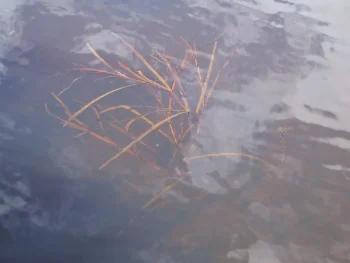
Flatstem Pondweed: The Ultimate Water Garden Specialist You Probably Haven’t Heard Of
If you’ve been searching for the perfect aquatic plant to complete your water garden or pond restoration project, let me introduce you to flatstem pondweed (Potamogeton zosteriformis). This unsung hero of the underwater world might not win any beauty contests, but it’s a champion when it comes to creating healthy aquatic ecosystems right in your backyard.
What Exactly Is Flatstem Pondweed?
Flatstem pondweed is a perennial aquatic plant that’s as American as apple pie – and then some. This native species calls home to an impressive range spanning from Alaska all the way down to the lower 48 states, plus most of Canada. You’ll find it growing naturally in states from California to Maine, and everywhere in between, including Alberta, British Columbia, Manitoba, and even the Northwest Territories.
- Species observed
- No observations
As a forb (that’s plant-speak for a non-woody plant), flatstem pondweed grows as a single crown with a prostrate, sprawling growth habit. Don’t expect it to tower over your pond – this plant stays completely submerged, creating underwater meadows that fish and other aquatic creatures absolutely love.
The Good, The Bad, and The Watery
Let’s be honest here – flatstem pondweed isn’t going to turn heads with its looks. The flowers are small, green, and about as conspicuous as a ninja in the night. The foliage is also green (surprise!) with a medium texture that’s porous year-round. But here’s the thing: this plant isn’t about flashy good looks. It’s about function over fashion.
The real magic happens beneath the surface. This plant is a rapid grower during summer months, quickly establishing itself and creating vital underwater habitat. However, there’s a catch – it has a relatively short lifespan and doesn’t resprout if damaged, so it relies on seeds and vegetative spread to maintain populations.
A Water-Only Affair
Here’s where things get interesting (and perhaps challenging). Flatstem pondweed is what we call an obligate wetland species, which is a fancy way of saying it absolutely, positively must have water – and lots of it. We’re talking full submersion here, folks. This isn’t a plant that appreciates the occasional sprinkle or even soggy soil. It needs to be completely underwater to thrive.
The growing conditions are pretty specific:
- pH between 5.8 and 7.0 (slightly acidic to neutral)
- High moisture use (obviously!)
- Can handle anaerobic conditions well
- Needs at least 90 frost-free days
- Cold hardy down to -38°F
- Cannot tolerate drought, salinity, or shade
Is This Plant Right for Your Garden?
Flatstem pondweed is perfect for you if you have:
- A natural or constructed pond
- A water garden with adequate depth
- A wetland restoration project
- An interest in supporting native aquatic ecosystems
However, it’s definitely not the right choice if you’re looking for:
- A showy flowering plant
- Something for traditional garden beds
- A low-maintenance option
- Commercial availability (there are currently no known commercial sources)
A Word of Caution for New Jersey Gardeners
If you’re gardening in the Garden State, pay attention: flatstem pondweed is listed as endangered in New Jersey with an S1 rarity status. This means it’s extremely rare in the state and needs our protection. If you’re in New Jersey and want to grow this plant, please only use responsibly sourced material and consider whether your efforts might be better directed toward other native aquatic plants that aren’t quite so rare.
How to Grow Flatstem Pondweed
Ready to take the plunge? Here’s what you need to know about growing this aquatic specialist:
Propagation: You can start flatstem pondweed from seed, bare root divisions, or sprigs. Seeds have low abundance and vigor, so be patient. The plant spreads vegetatively at a moderate rate once established.
Planting: Plant during late spring or early summer when water temperatures warm up. Seeds should be scattered directly in the water, while bare root plants or sprigs can be weighted down until they establish.
Spacing: Plan for 1,700 to 4,800 plants per acre, depending on your goals and pond size.
Care: Once established, flatstem pondweed is relatively low-maintenance. The main thing is ensuring consistent water levels. The plant blooms in mid-summer and produces seeds from summer through fall.
The Bottom Line
Flatstem pondweed might not be the most glamorous plant in the native gardening world, but it’s an authentic piece of North American aquatic heritage. If you have the right conditions – meaning a permanent body of water – this plant can be an excellent addition to your ecosystem garden. Just remember, it’s all about the habitat you’re creating underwater, not the show you’re putting on above the surface.
For most gardeners without ponds, this probably isn’t your plant. But for those lucky enough to have water features or natural wetlands, flatstem pondweed offers a chance to support truly native aquatic ecosystems while connecting with a plant that’s been thriving in North American waters for millennia.