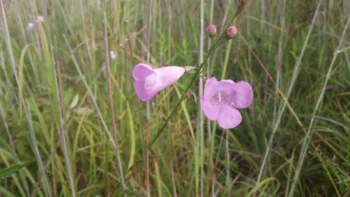
Flaxleaf False Foxglove: A Rare Native Wildflower Worth Protecting
If you’re drawn to delicate wildflowers with a conservation story, meet the flaxleaf false foxglove (Agalinis linifolia). This charming native perennial might not be the showiest plant in your garden, but it’s a true southeastern treasure that deserves our attention and protection.
What Makes Flaxleaf False Foxglove Special?
Don’t let the name fool you – this isn’t actually a foxglove at all! The flaxleaf false foxglove gets its common name from its tubular pink to purple flowers that somewhat resemble true foxgloves. The flaxleaf part refers to its narrow, linear leaves that look similar to flax plants. Botanically known as Agalinis linifolia, this herbaceous perennial forb brings a subtle beauty to wetland areas across the Southeast.
Where Does It Call Home?
This native gem naturally occurs throughout the southeastern United States, spanning from Delaware down to Florida and west to Louisiana. You’ll find it growing wild in Alabama, Delaware, Florida, Georgia, Louisiana, Maryland, Mississippi, North Carolina, South Carolina, and Virginia.
- Species observed
- No observations
A Plant with Conservation Concerns
Here’s where things get important: flaxleaf false foxglove is considered rare in at least parts of its range, with a rarity status of S2 in Alabama. This means the species is imperiled and vulnerable to extirpation. If you’re considering adding this beauty to your garden, please ensure you’re sourcing it responsibly from reputable native plant nurseries – never collect from wild populations.
Growing Flaxleaf False Foxglove Successfully
This isn’t your typical garden perennial, and that’s exactly what makes it interesting! Flaxleaf false foxglove has very specific growing requirements that reflect its natural wetland habitat.
Ideal Growing Conditions
- Sunlight: Full sun exposure
- Soil moisture: Consistently moist to wet conditions
- Soil type: Acidic soils preferred
- USDA Hardiness Zones: 7-10
- Wetland status: Obligate wetland plant in coastal areas, facultative wetland in mountain regions
Perfect Garden Settings
This specialized wildflower thrives in:
- Native wetland gardens
- Rain gardens and bioswales
- Bog gardens
- Naturalized wet meadow areas
- Edges of ponds or streams
Care Tips for Success
The key to growing flaxleaf false foxglove is understanding its wetland nature. This plant absolutely requires consistent moisture – think of it as nature’s way of saying keep my feet wet! It may also have semi-parasitic relationships with nearby grasses, which is completely normal and part of its natural growth strategy.
Since it’s a perennial forb, you can expect it to return year after year once established, though it may take some patience to get going initially.
Benefits for Pollinators and Wildlife
Like many native wildflowers, flaxleaf false foxglove supports local ecosystems by providing nectar for native bees and butterflies. Its tubular flowers are particularly attractive to pollinators that can navigate their shape.
Should You Plant It?
If you have the right growing conditions – particularly consistent moisture and full sun – and can source plants responsibly, flaxleaf false foxglove makes a meaningful addition to conservation-minded gardens. It’s perfect for gardeners who want to support native biodiversity and don’t mind plants that march to their own drum.
However, this isn’t a plant for everyone. If you’re looking for low-maintenance or drought-tolerant options, you’ll want to explore other native alternatives. But if you’re creating a wetland habitat or rain garden, this rare beauty deserves serious consideration.
Remember: always purchase from reputable native plant sources and never collect from wild populations. By growing responsibly sourced flaxleaf false foxglove, you’re not just adding beauty to your garden – you’re participating in conservation efforts for a vulnerable native species.