Fleshy Hawthorn: A Thorny Native Treasure for Wildlife Gardens
If you’re looking to add a bit of wild character to your landscape while supporting local wildlife, the fleshy hawthorn (Crataegus succulenta) might just be the prickly partner you never knew you needed. This native North American shrub brings spring flowers, fall berries, and year-round structure to gardens—though it comes with a few important considerations every gardener should know.
What Makes Fleshy Hawthorn Special?
Fleshy hawthorn is a deciduous shrub that typically grows 13-16 feet tall, though it can sometimes stretch taller under the right conditions. As a multi-stemmed woody perennial, it creates a substantial presence in the landscape with its thorny branches and dense growth habit. Don’t let those thorns scare you off—they’re actually one of its best features for creating natural barriers and providing safe nesting spots for birds.
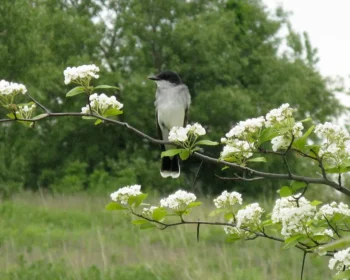
In late spring, the shrub bursts into bloom with clusters of small white flowers that attract bees, flies, and other pollinators. Come fall, these flowers transform into fleshy, dark red berries that give the plant its common name and provide an important food source for wildlife.
Where Fleshy Hawthorn Calls Home
This hardy native has quite the travel resume, naturally occurring across a vast range from Canada down through much of the United States. You’ll find it growing wild from Alberta and British Columbia in the west, across the Prairie provinces, and through the Maritime provinces in the east. In the U.S., it spans from coast to coast, thriving in states from Washington and Oregon to Maine and Georgia, and just about everywhere in between.
- Species observed
- No observations
A Word of Caution: Rarity Considerations
Here’s where things get interesting—and important. While fleshy hawthorn has a wide natural range, it’s actually quite rare in some areas. In New Jersey, it’s listed as endangered, and its global conservation status reflects some uncertainty about population stability. This means if you’re thinking about adding one to your garden, you’ll want to source your plant responsibly from reputable native plant nurseries rather than digging up wild specimens.
Growing Fleshy Hawthorn Successfully
The good news? Once you’ve sourced your fleshy hawthorn responsibly, it’s relatively easy to grow. This adaptable shrub is hardy in USDA zones 3-7, making it suitable for most northern and temperate climates.
Ideal Growing Conditions
- Full sun to partial shade (though it flowers best with plenty of sunlight)
- Well-draining soil of various types—it’s not particularly picky
- Once established, it’s quite drought tolerant
- Prefers slightly alkaline to neutral soil but adapts to different pH levels
Planting and Care Tips
- Plant in spring or fall when temperatures are moderate
- Water regularly during the first growing season to help establish roots
- Mulch around the base to retain moisture and suppress weeds
- Minimal pruning needed—just remove dead, damaged, or crossing branches
- Be patient: hawthorns can be slow to establish but are long-lived once settled
Perfect Roles in Your Landscape
Fleshy hawthorn shines in several landscape applications. Its thorny nature makes it excellent for creating natural barriers or hedges, while its wildlife value makes it a star in native plant gardens. Consider using it in:
- Wildlife gardens where birds and pollinators are welcome
- Native plant restorations and prairie edge plantings
- Naturalized areas where a wilder look is desired
- As a specimen plant for four-season interest
- Mixed shrub borders for structure and texture
Wildlife Benefits Worth Celebrating
This is where fleshy hawthorn really earns its keep. The spring flowers provide nectar for various pollinators, while the fall berries feed birds throughout autumn and into winter. The dense, thorny branches offer excellent nesting sites and shelter for smaller birds, creating a true wildlife haven in your yard.
The Bottom Line
Fleshy hawthorn is a wonderful choice for gardeners who want to support native wildlife while adding a plant with genuine ecological value to their landscape. Yes, it has thorns, and yes, you’ll need to source it responsibly due to its rarity in some areas. But for those willing to give this native shrub a chance, it offers spring beauty, fall interest, and year-round wildlife benefits that few other plants can match.
Just remember to buy from reputable native plant sources, give it room to grow, and prepare to enjoy watching the birds and pollinators that will surely follow. Sometimes the best garden additions are the ones that give back as much as they take—and fleshy hawthorn definitely fits that bill.