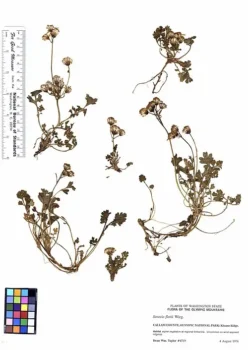
Flett’s Ragwort: A Pacific Northwest Native Worth Growing
If you’re looking to add a touch of cheerful yellow to your Pacific Northwest garden while supporting local wildlife, Flett’s ragwort (Packera flettii) might just be the native wildflower you’ve been searching for. This charming perennial forb brings both beauty and ecological value to gardens throughout Oregon and Washington.
What Makes Flett’s Ragwort Special?
Flett’s ragwort is a true Pacific Northwest native, naturally occurring in the mountainous regions of Oregon and Washington. As a perennial forb, it’s an herbaceous plant that comes back year after year without developing woody stems. You might also encounter this plant listed under its former scientific name, Senecio flettii, in older gardening references.
This delightful native forms attractive basal rosettes of leaves and produces clusters of bright yellow, daisy-like flowers that bloom in spring to early summer. The cheerful blooms create a sunny display that’s hard to resist, making it a wonderful addition to any native plant enthusiast’s garden.
Where Does Flett’s Ragwort Grow?
Flett’s ragwort calls the Pacific Northwest home, specifically thriving in Oregon and Washington. This regional native has adapted perfectly to the unique growing conditions of the area, making it an excellent choice for gardeners wanting to grow plants that naturally belong in their landscape.
- Species observed
- No observations
Why Grow Flett’s Ragwort in Your Garden?
There are several compelling reasons to consider adding this native beauty to your garden:
- Pollinator magnet: The nectar-rich yellow flowers attract native bees, butterflies, and other beneficial pollinators
- Low maintenance: Once established, this hardy perennial requires minimal care
- Drought tolerant: Perfect for water-wise gardening
- Native authenticity: Support local ecosystems by growing plants that naturally belong
- Naturalized look: Creates a beautiful, informal garden appearance
Perfect Garden Spots for Flett’s Ragwort
This versatile native works wonderfully in several garden settings:
- Native plant gardens
- Wildflower meadows
- Rock gardens
- Naturalized areas
- Wildlife gardens focused on pollinators
Growing Conditions and Care
Flett’s ragwort is refreshingly easy to grow, especially if you can provide conditions similar to its natural habitat. Here’s what this Pacific Northwest native prefers:
Sunlight: Partial shade to full sun – it’s quite adaptable to different light conditions
Soil: Well-drained soil is essential. This tough native actually tolerates poor soils quite well, so don’t worry if your garden doesn’t have the richest earth
Hardiness: Thrives in USDA zones 5-8, making it perfect for most Pacific Northwest gardens
Water: Once established, Flett’s ragwort is quite drought tolerant, though it will appreciate some water during particularly dry spells
Planting and Care Tips
Getting started with Flett’s ragwort is straightforward:
- Plant in spring or fall for best establishment
- Ensure good drainage to prevent root rot
- Water regularly during the first growing season to help establish strong roots
- Once established, minimal watering needed
- May self-seed in favorable conditions, creating natural colonies
- Deadhead spent flowers if you want to prevent self-seeding
The Bottom Line
Flett’s ragwort offers Pacific Northwest gardeners an excellent opportunity to grow a beautiful, low-maintenance native that supports local pollinators. Its cheerful yellow flowers, drought tolerance, and easy-going nature make it a smart choice for anyone looking to create a more sustainable, wildlife-friendly garden. If you’re gardening in Oregon or Washington and want to embrace your region’s natural flora, this charming native deserves a spot in your landscape.