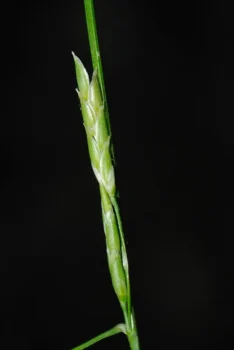
Floating Mannagrass: The Perfect Native Grass for Your Wetland Garden
If you’ve been dreaming of creating a water feature or rain garden that looks naturally stunning while supporting local ecosystems, let me introduce you to floating mannagrass (Glyceria septentrionalis). This graceful native grass might just be the missing piece in your wetland gardening puzzle!
What Makes Floating Mannagrass Special?
Floating mannagrass is a perennial grass that’s as practical as it is pretty. True to its common name, this charming graminoid has an almost ethereal quality, with delicate seed heads that seem to dance above the water’s surface. Don’t let the gentle appearance fool you though – this is one tough plant that thrives where many others would simply give up and float away (pun intended).
You might also see this plant listed under its scientific synonym, Panicularia septentrionalis, in older gardening references, but Glyceria septentrionalis is the current accepted name.
Where Does Floating Mannagrass Call Home?
This wonderful native grass has quite the impressive range! Floating mannagrass is indigenous to both Canada and the United States, naturally occurring across an extensive area that includes Alabama, Arkansas, Connecticut, Delaware, Florida, Georgia, Illinois, Indiana, Iowa, Kentucky, Louisiana, Maine, Maryland, Massachusetts, Michigan, Minnesota, Mississippi, Missouri, New Hampshire, New Jersey, New York, North Carolina, Ohio, Oklahoma, Pennsylvania, Rhode Island, South Carolina, Tennessee, Texas, Virginia, West Virginia, Wisconsin, and the Canadian provinces of Ontario and Quebec.
- Species observed
- No observations
The Ultimate Wetland Specialist
Here’s where floating mannagrass really shines – it’s what botanists call an obligate wetland plant. This means it almost always occurs in wetlands across every region where it grows. If you’re dealing with that perpetually soggy spot in your yard that makes you wonder if you accidentally built your garden on a swamp, floating mannagrass might be your new best friend!
Perfect Garden Scenarios for Floating Mannagrass
This adaptable native grass works beautifully in several garden settings:
- Rain gardens and bioswales
- Pond and stream edges
- Bog gardens
- Native plant restorations
- Naturalized wetland areas
- Areas with seasonal flooding
Growing Conditions That Make It Happy
Floating mannagrass thrives in USDA hardiness zones 3 through 9, making it suitable for most of the continental United States. Here’s what this wetland specialist needs to flourish:
- Moisture: Consistently moist to wet soils – think swampy rather than just damp
- Light: Full sun to partial shade (though it performs best with at least 6 hours of sunlight)
- Soil: Tolerates various soil types as long as they stay wet
- pH: Adaptable to different pH levels
Planting and Care Tips
The beauty of floating mannagrass lies in its low-maintenance nature once established. Here are some tips for success:
- Plant in spring after the last frost
- Ensure consistent moisture – this plant does not tolerate drought
- Space plants 12-18 inches apart for natural colony formation
- Minimal fertilization needed in fertile wetland soils
- May self-seed in appropriate conditions, creating natural-looking drifts
- Cut back in late winter before new growth emerges
Wildlife and Ecosystem Benefits
While floating mannagrass is wind-pollinated and doesn’t offer nectar for pollinators, it provides valuable habitat and food sources for wetland wildlife. The grass offers nesting materials and cover for birds, and its seeds can provide food for waterfowl and other wildlife species.
Should You Plant Floating Mannagrass?
If you have consistently wet areas in your landscape and want to work with nature rather than against it, floating mannagrass is an excellent choice. It’s particularly valuable for gardeners interested in native plant gardening, water-wise landscaping (the wet kind!), or creating habitat for local wildlife.
However, this isn’t the grass for dry, well-drained garden beds. If your soil doesn’t stay consistently moist, you’ll want to look for other native grass alternatives better suited to drier conditions.
For gardeners blessed with wet spots, boggy areas, or water features, floating mannagrass offers a beautiful, low-maintenance solution that celebrates rather than fights your site’s natural conditions. Sometimes the best gardening advice is simply to embrace what nature has given you!