Floating Marsh Marigold: A Charming Native Water Plant for Bog Gardens
If you’ve ever dreamed of adding a touch of aquatic elegance to your garden, meet the floating marsh marigold (Caltha natans) – a delightful native water plant that’s as practical as it is pretty. This perennial forb brings a splash of white blooms to wetland areas and is perfectly suited for gardeners looking to create authentic native water features.
What Makes Floating Marsh Marigold Special
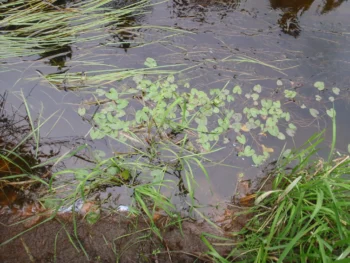
Don’t let the name fool you – while it’s called a marigold, this charming plant is actually part of the buttercup family. The floating marsh marigold gets its name from its heart-shaped leaves that gracefully float on water surfaces and its small, cheerful white flowers with bright yellow centers that bloom in late spring to early summer.
As a native North American species, this plant has been naturally occurring across northern regions for thousands of years. You might also see it listed under its botanical synonym Thacla natans, though Caltha natans is the accepted name today.
Where It Calls Home
Floating marsh marigold is truly a northern beauty, native to Alaska, Canada, and several northern U.S. states. You’ll find it naturally growing in Alberta, British Columbia, Alaska, Manitoba, Ontario, Saskatchewan, Yukon, Northwest Territories, Minnesota, and Wisconsin. This wide distribution across northern North America speaks to its hardiness and adaptability to cold climates.
- Species observed
- No observations
Perfect for Water-Loving Gardeners
This plant is classified as an Obligate Wetland species, which means it almost always occurs in wetlands – and that’s exactly what makes it so special for the right garden setting. If you’re creating a bog garden, pond edge, or wetland restoration area, floating marsh marigold is an excellent choice that will thrive where many other plants would struggle.
Growing Conditions and Care
Floating marsh marigold is surprisingly low-maintenance once you understand its basic needs:
- Water requirements: Needs consistently wet soil or shallow water – this isn’t a plant for average garden beds
- Sunlight: Performs best in full sun to partial shade
- Hardiness: Thrives in USDA zones 2-6, making it perfect for northern gardens
- Soil: Prefers saturated, organic-rich soils typical of wetland environments
Why Choose This Native Beauty
There are several compelling reasons to consider floating marsh marigold for your water garden:
- True native plant: Supporting local ecosystems by choosing plants that naturally belong in your region
- Low maintenance: Once established in the right conditions, it requires minimal care
- Pollinator friendly: The small white flowers attract flies and beetles that help with pollination
- Unique aesthetic: Adds authentic wetland character that you can’t get from non-native water plants
- Cold hardy: Perfect for northern gardeners who struggle to find reliable aquatic plants
Ideal Garden Settings
Floating marsh marigold works beautifully in:
- Bog gardens and rain gardens
- Pond edges and shallow water features
- Wetland restoration projects
- Native plant gardens with water elements
- Natural-style water gardens
What to Expect
As a perennial forb, floating marsh marigold will return each year, gradually spreading to form small colonies in suitable conditions. The plant remains relatively compact, making it perfect for smaller water features while still providing that authentic wetland feel.
The blooming period typically occurs in late spring to early summer, when the small white flowers create a lovely contrast against the glossy green, heart-shaped leaves. After blooming, the plant continues to provide attractive foliage throughout the growing season.
A Word of Caution
Remember that floating marsh marigold is specifically adapted to wetland conditions. Don’t expect it to survive in regular garden soil – this plant needs consistent moisture or shallow water to thrive. If you don’t have suitable wet conditions, consider creating a small bog garden or water feature specifically to accommodate this and other native wetland plants.
Final Thoughts
Floating marsh marigold is a wonderful choice for gardeners looking to create authentic native water features. While it requires specific growing conditions, its low-maintenance nature and genuine native status make it worth considering if you have or are planning a bog garden, pond, or other wetland feature. Plus, you’ll be supporting local ecosystems while enjoying a truly unique addition to your landscape.