Floating Pondweed: The Unsung Hero of Water Gardens
If you’re dreaming of a thriving water garden or natural pond, let me introduce you to one of North America’s most reliable aquatic natives: floating pondweed (Potamogeton natans). While it might not win any beauty contests with its modest green flowers, this hardworking perennial is the backbone of healthy aquatic ecosystems across the continent.
What Makes Floating Pondweed Special?
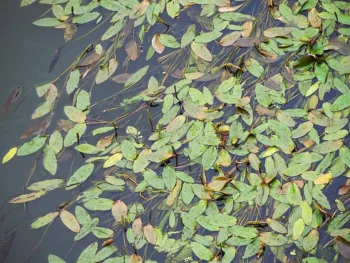
Don’t let the humble appearance fool you – floating pondweed is an ecological powerhouse. This native forb belongs to a family of aquatic plants that have been quietly keeping our waterways healthy for centuries. As its name suggests, the distinctive oval leaves float gracefully on the water’s surface, while the roots anchor deep into the pond bottom through an extensive rhizome system.
True to its obligate wetland status, floating pondweed absolutely must have water to survive – it’s not just a preference, it’s a requirement. This makes it perfect for dedicated water gardeners but completely unsuitable for traditional terrestrial gardens.
Where Does It Grow Naturally?
Floating pondweed is impressively widespread across North America, calling everywhere from Alaska to Arizona home. You’ll find it thriving in ponds, lakes, and slow-moving streams throughout Canada, from British Columbia to Newfoundland, and across virtually every U.S. state. This extensive native range speaks to its adaptability and ecological importance.
- Species observed
- No observations
Why Consider Floating Pondweed for Your Water Garden?
Here’s where floating pondweed really shines – it’s all about function over form:
- Natural water filter: The extensive root system helps clarify water by absorbing excess nutrients
- Rapid establishment: With a fast growth rate and vigorous vegetative spreading, it quickly fills in water features
- Low maintenance: Once established, it largely takes care of itself
- Hardy survivor: Tolerates temperatures as low as -38°F, making it suitable for zones 2-9
- Ecosystem support: Provides habitat structure for aquatic wildlife
Best Uses in the Landscape
Floating pondweed is ideal for:
- Natural pond systems
- Constructed wetlands
- Large water gardens (it spreads rapidly!)
- Restoration projects
- Rain gardens with permanent standing water
It’s not suitable for small decorative water features or formal gardens where you want tight control over plant spread.
Growing Conditions and Care
Floating pondweed is refreshingly straightforward to grow – if you can meet its water requirements:
- Water depth: Grows in shallow to moderately deep water
- pH: Prefers slightly acidic to neutral water (5.8-7.0)
- Sunlight: Needs full sun – it’s shade intolerant
- Soil: Will grow in various pond bottom substrates
- Space: Give it room – vegetative spread is rapid
Planting and Propagation Tips
Getting started with floating pondweed is easier than you might think:
- Best planting time: Spring through mid-summer
- Propagation methods: Rhizome divisions work best, though seeds and sprigs are also viable
- Establishment: Plant rhizomes directly into pond bottom substrate
- Patience required: Seeds have low vigor and spread slowly compared to vegetative methods
Keep in mind that commercial availability is limited – you might need to source material from native plant societies or wetland restoration suppliers.
Seasonal Interest and Maintenance
Floating pondweed follows a predictable seasonal cycle. It’s most active during summer months, producing those inconspicuous green flowers in mid-summer, followed by small brown seeds from summer into fall. The fine-textured foliage provides a soft, natural look throughout the growing season.
Winter care is minimal – the plant naturally dies back, and the hardy rhizomes wait underground for spring’s return. No need for special protection in its hardiness range.
The Bottom Line
Floating pondweed isn’t going to wow visitors with showy blooms or dramatic foliage, but it’s exactly what you need for a functioning, healthy aquatic ecosystem. If you’re committed to creating natural water features that support local wildlife while requiring minimal maintenance, this native workhorse deserves a spot in your pond.
Just remember – this is a plant that knows what it wants (permanent water and sunshine), and it’s not shy about spreading once it’s happy. Plan accordingly, and you’ll have a thriving aquatic garden that practically takes care of itself.