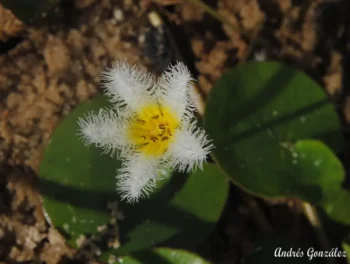
Floatingheart: A Mysterious Aquatic Plant with Limited Garden Appeal
If you’ve stumbled across the name floatingheart (Nymphoides humboldtiana) while researching aquatic plants for your water garden, you might be wondering what exactly this plant is and whether it deserves a spot in your landscape. Well, grab a cup of coffee and settle in, because this particular floatingheart is quite the enigma in the gardening world.
What Exactly Is Floatingheart?
Nymphoides humboldtiana is a perennial aquatic forb – basically, a non-woody water plant that comes back year after year. Unlike trees or shrubs, this plant lacks significant woody tissue and keeps its growing points at or below the ground surface, making it well-adapted to aquatic life.
As an obligate wetland plant, this floatingheart almost always occurs in wetlands, meaning it’s completely dependent on consistently wet conditions. Think of it as the plant equivalent of a fish – it simply can’t survive without its watery home.
Where Does It Come From?
Here’s where things get interesting (and a bit complicated). This floatingheart is native to Puerto Rico, but it’s also been documented in Texas as an introduced species. It has established itself in the wild and reproduces without human help, which means it’s found its groove in at least some parts of the continental United States.
- Species observed
- No observations
Should You Grow It in Your Garden?
This is where we need to pump the brakes a bit. While floatingheart might sound like an intriguing addition to a water feature, there are several reasons to think twice:
- Limited information: There’s surprisingly little detailed information available about this specific species’ behavior, growth habits, or ecological impact
- Non-native status: Since it’s not native to most of the continental U.S., we don’t fully understand how it might interact with local ecosystems
- Unknown invasive potential: Without clear data on its invasive status, it’s difficult to predict whether it might spread aggressively
Better Alternatives for Your Water Garden
Instead of taking a gamble on this mysterious floatingheart, consider these native aquatic alternatives that will provide beauty without the uncertainty:
- American lotus (Nelumbo lutea): A stunning native water lily with large, fragrant flowers
- Fragrant water lily (Nymphaea odorata): Classic white flowers with incredible fragrance
- Spatterdock (Nuphar advena): Yellow flowers and heart-shaped leaves
- White water lily (Nymphaea tuberosa): Large white blooms perfect for larger ponds
If You’re Determined to Try It
Should you decide to experiment with floatingheart despite the unknowns, here’s what we do know:
- It requires consistently wet conditions – think bog gardens or water features
- As an obligate wetland plant, it won’t tolerate dry periods
- It’s a perennial, so it should return each year if conditions are right
- Monitor it closely for any signs of aggressive spreading
The Bottom Line
While the name floatingheart certainly sounds romantic and garden-worthy, Nymphoides humboldtiana remains something of a botanical mystery. With limited information about its garden behavior and potential ecological impact, it’s probably wise to admire it from afar and choose well-documented native alternatives for your aquatic gardening adventures.
Remember, the best gardens are built on plants we understand – and right now, this floatingheart is keeping its secrets a little too well for comfort. Your local ecosystem (and your peace of mind) will likely thank you for choosing native alternatives that have proven track records in home landscapes.