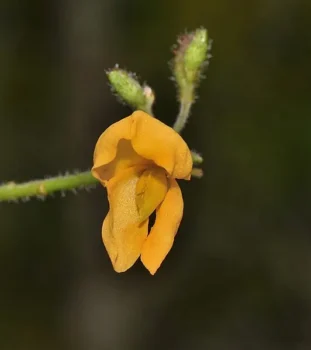
Florida Alicia: A Mysterious Native Annual Worth Knowing About
If you’ve never heard of Florida alicia (Chapmannia floridana), don’t worry – you’re definitely not alone! This little-known native annual is one of Florida’s more enigmatic wildflowers, and there’s a good reason why it rarely shows up in gardening conversations.
What Exactly is Florida Alicia?
Florida alicia is a native annual forb, which is just a fancy way of saying it’s a soft-stemmed, herbaceous plant that completes its entire life cycle in one growing season. Unlike woody shrubs or trees, this plant lacks significant woody tissue and dies back completely each year, relying on seeds to continue its legacy.
As its name suggests, this plant calls Florida home and is considered native to the lower 48 states, though its distribution appears to be quite limited.
Where Does It Grow?
Chapmannia floridana is endemic to Florida, meaning you won’t find it growing naturally anywhere else in the world. This makes it a true Florida original – a botanical treasure that evolved specifically in the unique ecosystems of the Sunshine State.
- Species observed
- No observations
The Challenge for Home Gardeners
Here’s where things get interesting (and a bit frustrating for native plant enthusiasts): Florida alicia is exceptionally rare in cultivation and possibly in the wild as well. Finding seeds, plants, or even detailed growing information about this species is extremely difficult, if not impossible.
This scarcity raises some important questions:
- Is this species still thriving in its natural habitat?
- Has habitat loss affected its populations?
- Are there conservation efforts underway?
What We Know About Growing It
Unfortunately, specific information about Florida alicia’s preferred growing conditions, care requirements, and garden performance is virtually non-existent. As an annual forb native to Florida, we can make some educated guesses that it likely prefers:
- Warm, subtropical conditions
- Well-draining soils
- Full to partial sun exposure
- Natural rainfall patterns typical of Florida
However, without documented cultivation experience, these remain assumptions rather than proven facts.
Should You Try to Grow Florida Alicia?
While the idea of growing a rare Florida native is undoubtedly appealing, the practical reality is challenging. The extreme rarity of this plant means:
- Seeds or plants are essentially unavailable through normal channels
- Growing requirements are poorly understood
- Success rates would be uncertain
If you’re passionate about supporting Florida’s native plant diversity, consider focusing on other well-documented Florida natives that you can successfully grow and that will provide proven benefits to local wildlife and ecosystems.
Alternative Florida Natives to Consider
Instead of searching for the elusive Florida alicia, try these readily available Florida native annuals:
- Blanket flower (Gaillardia pulchella)
- Blue curls (Trichostema dichotomum)
- Spanish needles (Bidens alba)
- Partridge pea (Chamaecrista fasciculata)
The Bottom Line
Florida alicia represents one of those fascinating botanical mysteries that remind us how much we still don’t know about our native flora. While it may not be practical for home gardeners to grow, its existence highlights the incredible diversity and uniqueness of Florida’s natural heritage. Sometimes the best way to honor a rare native plant is simply to learn about it, appreciate its place in the ecosystem, and support conservation efforts that protect the habitats where such treasures might still be found.
Who knows? Maybe one day, dedicated botanists and native plant enthusiasts will unlock the secrets of successfully cultivating Florida alicia, bringing this mysterious native back into gardens where it belongs.