Florida Bully: A Hidden Gem for Southeastern Native Gardens
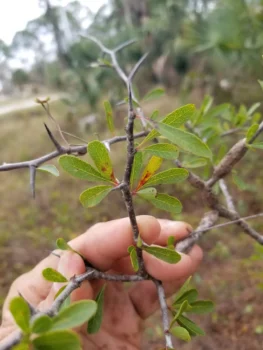
Meet the Florida bully (Sideroxylon reclinatum reclinatum), a charming native shrub that’s been quietly supporting southeastern ecosystems long before it caught the attention of native plant gardeners. Despite its somewhat intimidating common name, this perennial woody plant is anything but aggressive – it’s actually a well-behaved, low-growing addition that deserves a spot in your native landscape.
What Makes Florida Bully Special?
This delightful native shrub typically reaches just 2 feet in height, making it perfect for front borders, understory plantings, or anywhere you need a compact, manageable plant. Its small white flowers may not be showstoppers, but they provide valuable nectar for native bees and other pollinators during late spring blooming season.
The Florida bully sports attractive green foliage that remains porous throughout both summer and winter, creating a light, airy texture in the landscape. While it won’t give you dramatic fall color or particularly conspicuous fruits, its understated beauty and ecological value make it a worthy choice for native plant enthusiasts.
Where Does Florida Bully Call Home?
As a true southeastern native, Florida bully naturally occurs across six states: Alabama, Florida, Georgia, Louisiana, Mississippi, and South Carolina. This regional distribution makes it particularly well-suited for gardeners in these areas who want to support local ecosystems with authentic native plants.
- Species observed
- No observations
Growing Conditions and Care
Florida bully thrives in USDA hardiness zones 8-10, where minimum temperatures don’t drop below -3°F. This heat-loving shrub has some specific preferences that are important to understand:
- Soil: Prefers coarse to medium-textured soils; avoid heavy clay or fine-textured soils
- pH: Adaptable to a wide range from 4.5 to 7.3 (acidic to slightly alkaline)
- Moisture: Requires consistent moisture with 40-68 inches of annual precipitation
- Drainage: Poor tolerance for waterlogged conditions
- Frost: Needs at least 207 frost-free days per year
Planting and Establishment
The easiest way to add Florida bully to your garden is through container-grown plants, as this species doesn’t readily propagate from other methods like cuttings or bare root plantings. Plant in spring after the last frost, ensuring you’ve selected a location with appropriate drainage.
This slow-growing shrub will reach its mature height of 2 feet over several years, so patience is key. At 20 years, it may reach up to 3 feet, but don’t expect rapid growth – this is a plant that takes its time.
Landscape Uses and Design Ideas
Florida bully shines in naturalistic settings where its understated character can complement more dramatic native plants. Consider using it:
- As a low border along native plant beds
- In coastal landscapes where it can handle the challenging conditions
- As part of a pollinator garden supporting native bees
- In restoration projects within its native range
- As groundcover alternative in areas where grass struggles
Wildlife and Ecological Benefits
While small in stature, Florida bully punches above its weight in terms of ecological value. The late spring flowers provide nectar during a crucial time for native pollinators, and its native status means it has co-evolved with local wildlife species. As part of the Sapotaceae family, it contributes to the complex web of relationships that support healthy southeastern ecosystems.
Is Florida Bully Right for Your Garden?
Florida bully is an excellent choice if you’re looking for a low-maintenance native shrub that supports local wildlife without demanding attention. It’s perfect for gardeners who appreciate subtle beauty over flashy displays and want to create authentic native habitats.
However, this plant may not be suitable if you need fast results, dramatic seasonal interest, or have heavy clay soils. Its specific moisture requirements also make it less suitable for xeriscaping or drought-prone areas without supplemental watering.
For southeastern gardeners committed to native landscaping, Florida bully offers a chance to include a truly local species that’s been supporting regional ecosystems for countless generations. While it may not be the star of your garden, it will quietly and reliably contribute to the native plant community you’re working to create.