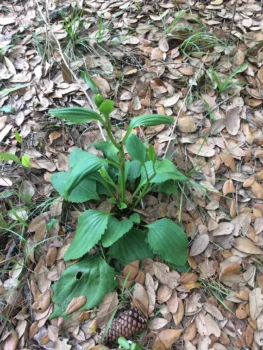
Florida Cacalia: A Rare Native Gem Worth Growing Responsibly
Meet Florida cacalia (Arnoglossum floridanum), one of Florida’s best-kept botanical secrets! This charming native perennial might not be a household name, but it deserves a spot in every Florida native plant enthusiast’s heart—and garden. If you’re looking to add something truly special and locally significant to your landscape, this delicate beauty might just be your perfect match.
What Exactly Is Florida Cacalia?
Florida cacalia is a native perennial forb—basically a non-woody flowering plant that comes back year after year. You might also see it listed under its old scientific names, Cacalia floridana or Mesadenia floridana, but don’t let the name-shuffling fool you. This is the same wonderful plant that’s been quietly beautifying Florida’s natural areas for ages.
As a true forb, Florida cacalia lacks the woody stems of shrubs and trees, instead producing fresh herbaceous growth each growing season. Its perennating buds stay safely tucked at or below ground level, allowing it to weather Florida’s occasional cold snaps and return reliably each year.
Where Does Florida Cacalia Call Home?
Here’s what makes this plant extra special: Florida cacalia is found only in Florida! This endemic species has chosen the Sunshine State as its one and only home, making it a true Florida native through and through. You won’t find this beauty growing wild anywhere else in the world.
- Species observed
- No observations
A Word About Rarity (Important Stuff Here!)
Before we get too excited about growing Florida cacalia, there’s something important you need to know. This plant has a Global Conservation Status of S3, which means it’s considered vulnerable. With only 21 to 100 known occurrences and an estimated 3,000 to 10,000 individuals in the wild, this is definitely not your run-of-the-mill garden plant.
But here’s the good news: growing rare native plants like Florida cacalia in our gardens can actually help with conservation efforts! Just make sure you source your plants responsibly from reputable native plant nurseries that propagate their stock rather than collecting from wild populations.
Why Your Garden (and Local Wildlife) Will Love Florida Cacalia
Florida cacalia brings a subtle, naturalistic beauty to the garden with its delicate white to pale yellow flower heads arranged in attractive flat-topped clusters. These blooms typically appear in late summer to fall, providing a lovely seasonal show when many other plants are winding down.
But the real magic happens when the pollinators arrive! The composite flowers are perfectly designed to attract butterflies, bees, and other native pollinators. By planting Florida cacalia, you’re essentially rolling out the welcome mat for some of Florida’s most important garden helpers.
Perfect Spots for Florida Cacalia
This adaptable native thrives in several garden settings:
- Native Florida gardens and naturalistic landscapes
- Woodland and shade gardens
- Native plant collections and botanical displays
- Wildlife-friendly landscapes focused on supporting pollinators
Growing Florida Cacalia: The Practical Stuff
Good news for busy gardeners: Florida cacalia is refreshingly low-maintenance! Here’s what you need to know:
Climate Zones: Florida cacalia is perfectly suited for USDA hardiness zones 8b through 10a, which covers most of Florida’s climate conditions.
Light Requirements: This plant actually prefers some shade! Partial shade to full shade conditions work best, making it perfect for those tricky spots under trees or on the north side of your home.
Soil and Water: Florida cacalia is wonderfully adaptable when it comes to soil, thriving in everything from moist to moderately dry conditions. Once established, it’s quite drought-tolerant and won’t need constant babying with the hose.
Planting and Care Tips
Getting Florida cacalia established in your garden is straightforward:
- Plant in partial to full shade areas
- Apply a layer of organic mulch to help retain moisture and suppress weeds
- Water regularly during the first growing season to help establish roots
- After establishment, minimal watering is needed thanks to its drought tolerance
- No need for fertilizers—this native is adapted to Florida’s natural soil conditions
The Bottom Line: Should You Grow Florida Cacalia?
If you’re passionate about Florida’s native plants and want to support conservation efforts while creating a beautiful, wildlife-friendly garden, Florida cacalia is definitely worth seeking out. Just remember to source it responsibly from nurseries that propagate rather than wild-collect their plants.
This rare gem offers subtle beauty, supports native pollinators, and gives you bragging rights as someone who’s growing one of Florida’s most special endemic plants. Plus, with its low-maintenance nature, it’s perfect for gardeners who want maximum impact with minimal effort.
Ready to add a touch of Florida’s botanical heritage to your landscape? Florida cacalia might just be the unique native treasure your garden has been waiting for!