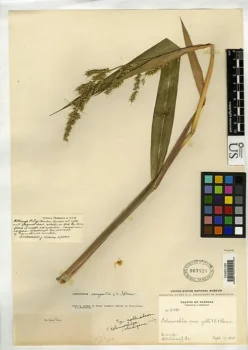
Florida Cockspur Grass: A Native Wetland Wonder for Your Garden
If you’re looking to create an authentic wetland garden or restore a natural area, Florida cockspur grass (Echinochloa paludigena) might just be the unsung hero your landscape needs. This humble native annual grass may not win any beauty contests, but it plays a crucial role in southeastern wetland ecosystems.
What Makes Florida Cockspur Grass Special?
Florida cockspur grass is a true native of the southeastern United States, naturally occurring in Florida and Texas. As an annual graminoid (that’s fancy speak for grass-like plant), it completes its entire life cycle in just one growing season. Don’t let its simple appearance fool you – this grass is perfectly adapted to life in wet places where many other plants would simply drown.
Where Does It Call Home?
This specialized grass has a fairly limited natural range, growing wild in Florida and Texas. Its distribution reflects its very specific habitat needs – it’s not the type of plant you’ll find spreading across the continent anytime soon.
- Species observed
- No observations
Why Consider Growing Florida Cockspur Grass?
Here’s where things get interesting. Florida cockspur grass is what botanists call an obligate wetland species, meaning it almost always occurs in wetlands. If you’re working on:
- Wetland restoration projects
- Rain gardens
- Bioswales for stormwater management
- Natural pond edges
- Creating habitat for wetland wildlife
Then this native grass could be exactly what you need. While it won’t provide the showy blooms that attract butterflies and bees (it’s wind-pollinated, after all), it serves as an important foundation species in wetland ecosystems.
The Conservation Angle
Here’s something important to consider: Florida cockspur grass has a conservation status that suggests it may be uncommon or declining in parts of its range. If you’re thinking about growing it, make sure you source seeds or plants from reputable native plant nurseries that use responsibly collected materials. Never collect from wild populations.
Growing Conditions That Make It Happy
Florida cockspur grass is definitely not your typical lawn substitute. This plant has very specific needs:
- Moisture: Consistently wet to moist soil – think wetland conditions
- Sun exposure: Full sun to partial shade
- Climate: USDA hardiness zones 8-10 (matches its natural Florida and Texas range)
- Soil: Tolerates various wetland soil types
Planting and Care Tips
Since Florida cockspur grass is an annual, you’ll need to plan for reseeding each year, though it may self-seed under ideal conditions. Here are some tips for success:
- Plant in spring after the last frost
- Ensure consistent moisture – this isn’t a plant that tolerates drought
- Allow for natural seeding if you want it to return next year
- Minimal fertilization needed in nutrient-rich wetland soils
Is This Grass Right for Your Garden?
Let’s be honest – Florida cockspur grass isn’t for everyone. If you’re looking for:
- Low-maintenance landscaping
- Showy ornamental features
- Drought-tolerant plants
- Plants for dry, upland areas
Then you’ll want to look elsewhere. But if you’re passionate about native plant conservation, wetland restoration, or creating authentic habitat, this humble grass might be perfect for your project.
The Bottom Line
Florida cockspur grass represents the beauty of ecological function over form. While it may never grace the cover of a gardening magazine, it plays an important role in southeastern wetland ecosystems. For the right gardener with the right conditions and conservation mindset, it’s a meaningful addition to a native plant collection. Just remember to source it responsibly and give it the consistently wet conditions it craves.