Florida Fishpoison Tree: A Unique Native with an Intriguing Name
With a name like Florida fishpoison tree, you might wonder if this plant belongs anywhere near your garden. Don’t let the dramatic moniker scare you away! The Florida fishpoison tree (Piscidia piscipula) is a fascinating native plant with a rich history and surprising garden appeal. Its unusual name comes from its traditional use by indigenous peoples, who used parts of the plant to stun fish for easier catching – though today we appreciate it for entirely different reasons.
Where You’ll Find This Native Beauty
The Florida fishpoison tree is native to Florida and the U.S. Virgin Islands, making it a true regional treasure. You can also find it growing in Hawaii, where it was introduced and has naturalized. This small tree has adapted well to coastal and subtropical environments throughout its range.
- Species observed
- No observations
What Makes It Special
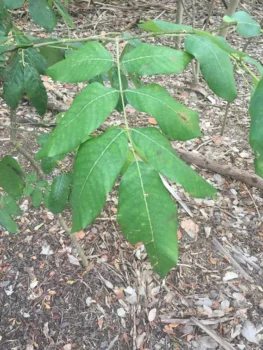
This perennial shrub or small tree typically grows as a multi-stemmed woody plant, usually staying under 13-16 feet tall. What really catches the eye are its delicate compound leaves and clusters of small, pea-like flowers that bloom in shades of pink to white. After flowering, the tree produces distinctive winged seed pods that add another layer of visual interest to your landscape.
Garden Appeal and Landscape Role
The Florida fishpoison tree works beautifully as:
- A specimen tree for smaller gardens
- Part of naturalized coastal plantings
- An accent in xerophytic (drought-tolerant) landscapes
- A conversation starter with its unique name and history
Its manageable size makes it perfect for residential landscapes where you want the presence of a tree without overwhelming smaller spaces.
Perfect Growing Conditions
This adaptable native thrives in:
- Full sun locations
- Well-draining soils
- USDA hardiness zones 10-11 (possibly 9b in protected locations)
- Coastal areas with salt exposure
Once established, the Florida fishpoison tree is remarkably drought tolerant, making it an excellent choice for water-wise gardening in appropriate climates.
Planting and Care Tips
Getting your Florida fishpoison tree off to a good start is straightforward:
- Plant in spring when temperatures are warming
- Water regularly during the first growing season to help establish roots
- Once established, supplemental watering is rarely needed
- Minimal pruning required – just remove dead or damaged branches
- Very low maintenance once settled in
Wildlife and Pollinator Benefits
The Florida fishpoison tree’s flowers attract various pollinators, including bees and butterflies, making it a valuable addition to pollinator-friendly gardens. The tree also provides habitat and nesting sites for birds in naturalized settings.
Is This Tree Right for Your Garden?
Consider the Florida fishpoison tree if you:
- Garden in zones 10-11 (or warm zone 9b)
- Want a low-maintenance native tree
- Appreciate unique plants with interesting stories
- Need something salt and drought tolerant
- Want to support local pollinators
If you’re gardening outside its native range, consider exploring native alternatives that provide similar benefits while supporting your local ecosystem. Your local native plant society or extension office can suggest wonderful native trees that thrive in your specific region.
A Plant with Character
The Florida fishpoison tree proves that sometimes the most intriguingly named plants make the most interesting garden additions. With its manageable size, attractive flowers, and rock-solid reliability in the right conditions, it’s a native plant that deserves consideration for appropriate landscapes. Just don’t worry – despite its name, it poses no danger to your garden fish!