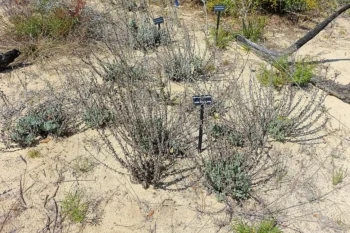
Florida Goldenaster: A Rare Gem Worth Protecting in Your Native Garden
If you’re passionate about Florida’s native plants and conservation gardening, you’ve probably heard whispers about the elusive Florida goldenaster. This little golden beauty is one of the Sunshine State’s most precious botanical treasures – and sadly, one of its most endangered.
What Exactly Is Florida Goldenaster?
Florida goldenaster (Chrysopsis floridana) is a perennial wildflower that’s as rare as it is beautiful. This herbaceous plant – meaning it lacks woody stems and dies back to the ground each year – produces cheerful clusters of bright yellow, daisy-like flowers that light up Florida’s scrublands in fall.
You might also see this plant listed under several scientific synonyms in older references, including Heterotheca floridana and Chrysopsis mariana var. floridana. But regardless of what name you find it under, this is one special plant.
A True Florida Native (And Nowhere Else!)
Here’s what makes Florida goldenaster truly unique: it’s found nowhere else on Earth except Florida. This endemic species calls only the scrub habitats of central and south-central Florida home, making it a genuine botanical treasure.
- Species observed
- No observations
Why This Plant Needs Our Help
Here’s the sobering reality: Florida goldenaster is critically endangered. With a Global Conservation Status of S1 and listed as Endangered in Florida, this species is hanging on by a thread. Scientists estimate there are typically fewer than 5 occurrences statewide, with less than 1,000 individual plants remaining in the wild.
The main culprits? Habitat loss and development pressure on Florida’s precious scrubland ecosystems. Every remaining population is precious.
Should You Grow Florida Goldenaster?
If you’re thinking about adding this rare beauty to your garden, the answer is a cautious yes – but only if you can source it responsibly. Here’s what you need to know:
- Never, ever collect plants from the wild
- Only purchase from reputable native plant nurseries that grow from legally obtained seed
- Consider it a conservation effort rather than just garden beautification
- Be prepared for a challenge – this isn’t a beginner’s plant
What Florida Goldenaster Brings to Your Garden
Despite its rarity, Florida goldenaster offers some wonderful benefits for the right garden:
- Late-season golden blooms when most other wildflowers are fading
- Attracts native bees, butterflies, and other important pollinators
- Drought tolerance once established
- Authentic Florida scrub ecosystem representation
- Conservation value – every garden plant helps preserve the species
Growing Conditions: Recreating the Scrub
Florida goldenaster is adapted to very specific conditions, and success depends on mimicking its natural scrub habitat:
- Sunlight: Full sun is absolutely essential
- Soil: Well-draining sandy soil – think sugar sand
- Water: Minimal once established; hates wet feet
- Climate: USDA zones 9-11 (basically Florida weather)
- Space: Allow room for natural spreading in a scrub-style planting
Planting and Care Tips
Growing Florida goldenaster successfully requires patience and attention to detail:
- Plant in spring after the last frost
- Amend heavy soils with sand to improve drainage
- Water sparingly – overwatering is the quickest way to kill this plant
- Avoid fertilizers, which can harm scrub-adapted plants
- Allow natural dormancy in winter
- Consider companion planting with other scrub species like scrub oak or coontie
The Bottom Line
Florida goldenaster isn’t just a pretty wildflower – it’s a living piece of Florida’s natural heritage that desperately needs our help. If you’re up for the challenge and can source plants responsibly, growing this rare beauty is both a gardening adventure and a conservation act.
Just remember: every Florida goldenaster in cultivation is potentially a lifeline for this endangered species. That’s a pretty amazing responsibility for a little yellow flower, don’t you think?