Florida Hedgenettle: A Native Mint Family Gem for Your Garden
If you’re looking for a native perennial that’s as hardy as it is helpful to pollinators, meet Florida hedgenettle (Stachys floridana). This delightful member of the mint family might not be the showiest plant in your garden, but what it lacks in flashy flowers, it makes up for in reliability, native credentials, and wildlife appeal.
What Is Florida Hedgenettle?
Florida hedgenettle is a native perennial forb that belongs to the mint family, and like its minty cousins, it sports the characteristic square stems that make identification a breeze. Despite its common name, this adaptable plant isn’t limited to the Sunshine State—it’s actually quite the traveler across the southeastern United States.
As a perennial herb, Florida hedgenettle lacks the woody stems of shrubs and trees, instead dying back to the ground each winter and emerging fresh each spring. Its soft, hairy leaves and modest white to pale pink flower spikes give it a gentle, cottage garden appeal that works beautifully in naturalized settings.
Where Florida Hedgenettle Calls Home
This native beauty has quite an impressive range across the lower 48 states. You’ll find it naturally growing in Alabama, Arkansas, California, Florida, Georgia, Louisiana, Mississippi, North Carolina, South Carolina, Tennessee, Texas, and Virginia. That’s a pretty impressive native resume!
- Species observed
- No observations
What makes Florida hedgenettle particularly interesting is its wetland status—it’s classified as facultative across all regions, meaning it’s equally happy in both wetland and upland conditions. This adaptability makes it a fantastic choice for gardeners dealing with varying moisture levels in their landscape.
Why You’ll Want Florida Hedgenettle in Your Garden
There are several compelling reasons to give this native plant a spot in your landscape:
- Pollinator magnet: The small flowers may look modest, but they’re absolute bee and butterfly magnets
- Low maintenance: Once established, it’s remarkably self-sufficient
- Native credentials: Supporting local ecosystems has never been easier
- Moisture adaptable: Works in both wet and dry areas of your garden
- Groundcover potential: Spreads to form nice colonies
Perfect Garden Spots for Florida Hedgenettle
Florida hedgenettle shines in several garden situations:
- Woodland gardens where it can naturalize under trees
- Rain gardens where its moisture tolerance is an asset
- Native plant landscapes alongside other southeastern natives
- Cottage-style gardens where its informal habit fits right in
- Pollinator gardens as a reliable nectar source
Growing Conditions and Care
One of Florida hedgenettle’s best qualities is how easy-going it is about growing conditions. Here’s what it prefers:
- Light: Partial shade to full sun (though it appreciates some afternoon shade in hot climates)
- Soil: Moist to wet soils, but adapts to average garden conditions
- Drainage: Tolerates both well-draining and poorly draining soils
- USDA Hardiness Zones: 8-10, making it perfect for southern gardens
Planting and Care Tips
Getting Florida hedgenettle established in your garden is refreshingly straightforward:
- Plant in spring after the last frost for best establishment
- Space plants 12-18 inches apart—they’ll fill in naturally
- Water regularly the first season, then let nature take over
- No fertilization needed—this native thrives in average soils
- Deadhead spent flowers if you want to prevent self-seeding
- Divide clumps every 3-4 years if they outgrow their space
A Word of Caution: The Spreading Habit
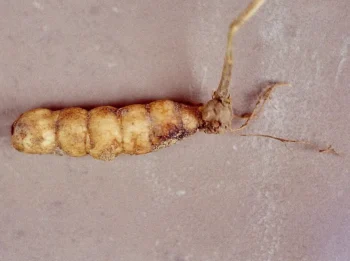
While Florida hedgenettle’s ability to spread and form colonies is often an asset, it’s worth noting that it can be somewhat aggressive in ideal conditions. It spreads by underground rhizomes, so give it room to roam or be prepared to manage its enthusiastic growth. This makes it perfect for naturalizing large areas but perhaps not the best choice for tiny, formal garden beds.
The Bottom Line
Florida hedgenettle might not win any beauty contests, but it’s exactly the kind of reliable, native workhorse that makes gardening easier and ecosystems healthier. If you have space for a plant that attracts pollinators, requires minimal care, and supports local wildlife, Florida hedgenettle deserves a spot on your planting list. Just make sure you give it enough room to do what it does best—spread and thrive.