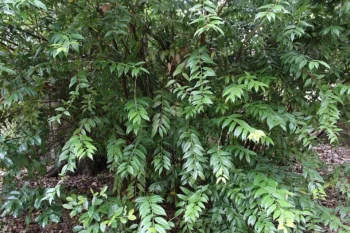
Florida Hobblebush: A Hidden Gem for Wetland and Shade Gardens
If you’re looking for a native shrub that thrives in those tricky wet spots where other plants fear to tread, let me introduce you to Florida hobblebush (Agarista populifolia). This unassuming southeastern native might not win any flashy flower contests, but it’s exactly the kind of dependable, eco-friendly workhorse that every native plant enthusiast should know about.
What is Florida Hobblebush?
Florida hobblebush is a perennial, multi-stemmed woody shrub that typically grows 4-5 feet tall, though it can reach up to 13-16 feet under ideal conditions. You might also see it listed under several botanical synonyms including Leucothoe populifolia or Andromeda populifolia in older gardening references, but Agarista populifolia is the current accepted name.
This native beauty calls the southeastern United States home, naturally occurring in Florida, Georgia, North Carolina, and South Carolina. It’s perfectly adapted to life in USDA hardiness zones 7-9, making it a reliable choice for gardeners throughout much of the Southeast.
- Species observed
- No observations
Why You’ll Want This Plant in Your Garden
Here’s where Florida hobblebush really shines – it’s like having a plant that actually enjoys living in your garden’s problem areas. While most shrubs sulk in consistently moist conditions, this one practically does a happy dance.
Aesthetic Appeal
- Clusters of small, white, bell-shaped flowers appear in spring, creating a delicate, understated beauty
- Evergreen foliage provides year-round structure and interest
- Leathery leaves often develop attractive reddish tints in winter
- Natural, informal growth habit perfect for naturalized landscapes
Ecological Benefits
- Spring flowers attract bees, butterflies, and other native pollinators
- Provides shelter and nesting sites for wildlife
- Supports local ecosystems as a native species
- Helps prevent soil erosion in wet areas
Perfect Garden Roles
Florida hobblebush is your go-to plant for several specific landscape situations:
- Rain gardens: Its love of moisture makes it ideal for managing stormwater runoff
- Wetland restoration: Essential for recreating natural wetland plant communities
- Woodland understory: Thrives in the dappled shade beneath larger trees
- Native plant gardens: Adds authentic regional character
- Problem wet spots: Finally, a solution for those areas where nothing else will grow!
Understanding Its Water Preferences
One of the most interesting things about Florida hobblebush is how its wetland preferences vary by region. In the Atlantic and Gulf Coastal Plain, it’s considered facultative wetland, meaning it usually prefers wet conditions but can tolerate drier spots. However, in the Eastern Mountains and Piedmont region, it’s obligate wetland – practically requiring consistently moist to wet conditions to thrive.
Growing Florida Hobblebush Successfully
Ideal Growing Conditions
- Light: Partial shade to full shade
- Soil: Moist to wet, acidic soils
- Water: Consistent moisture; tolerates periodic flooding
- pH: Prefers acidic conditions
Planting and Care Tips
- Plant in spring or fall when temperatures are moderate
- Choose a location that stays consistently moist
- Apply a thick layer of organic mulch around the base to retain moisture
- Minimal pruning required – just remove dead or damaged branches
- Once established, it’s quite low-maintenance
- Be patient – like many native plants, it may take a year or two to really establish
Is Florida Hobblebush Right for Your Garden?
This native shrub is perfect for you if you have consistently moist to wet areas that need plantings, want to support local pollinators and wildlife, or are creating a naturalized landscape design. It’s particularly valuable for gardeners dealing with drainage issues or those interested in rain gardens and wetland restoration.
However, if you’re looking for a drought-tolerant plant or need something for full sun, dry conditions, Florida hobblebush probably isn’t your best choice. It’s also not the plant for formal, manicured landscapes – its natural, somewhat wild appearance is better suited to informal, naturalistic designs.
Florida hobblebush may not be the showiest plant in your garden, but it’s the kind of reliable, ecologically valuable native that forms the backbone of a truly sustainable landscape. Sometimes the best plants are the ones that simply do their job well, and this southeastern native does exactly that.