Florida Hopbush: A Tough, Drought-Tolerant Shrub for Warm Climate Gardens
Looking for a low-maintenance shrub that can handle tough conditions while adding year-round interest to your landscape? Meet the Florida hopbush (Dodonaea viscosa), also known by its Hawaiian name `a`ali`i. This hardy perennial shrub might just be the resilient plant your garden has been waiting for.
What is Florida Hopbush?
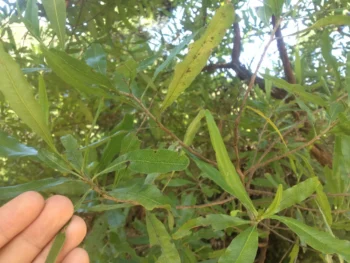
Florida hopbush is a multi-stemmed woody shrub that typically grows 13-15 feet tall, though it can sometimes reach up to 16 feet under ideal conditions. What makes this plant particularly interesting is its rapid growth rate and distinctive papery seed pods that create a lovely rustling sound in the breeze. The shrub maintains dense foliage year-round, with medium-textured leaves that often show attractive reddish coloration, especially on new growth.
Where Does It Grow Naturally?
This shrub has quite the travel resume! Florida hopbush is native to several regions including Arizona, California, Florida, Puerto Rico, and the U.S. Virgin Islands. You’ll also find it growing naturally throughout much of the Pacific Basin. However, it’s worth noting that in Hawaii, this plant is considered non-native, despite being commonly found there.
Currently, you can find Florida hopbush growing in Arizona, California, Florida, Hawaii, Guam, Palau, Puerto Rico, and the Virgin Islands.
- Species observed
- No observations
Why Consider Florida Hopbush for Your Garden?
If you live in USDA hardiness zones 9-11 and are dealing with challenging growing conditions, this shrub could be your new best friend. Here’s what makes it special:
- Extremely drought tolerant – Once established, it thrives with minimal water
- Fast growing – Quickly fills in spaces and provides screening
- Low maintenance – Requires little care once established
- Versatile – Works well for hedging, screening, or as a specimen plant
- Year-round interest – Dense foliage plus eye-catching seed pods
- Coastal friendly – Tolerates salt spray and sandy soils
Aesthetic Appeal and Landscape Role
While Florida hopbush won’t win any awards for showy flowers (they’re small and greenish-white), it more than makes up for it with its striking seed pods. These papery, winged fruits turn a beautiful reddish-brown color and persist on the plant, creating visual interest well into fall and winter. The semi-erect growth form and dense foliage make it perfect for creating privacy screens or background plantings.
This shrub excels in drought-tolerant landscapes, Mediterranean-style gardens, and coastal settings. It’s also fantastic for erosion control on slopes thanks to its robust root system.
Growing Conditions and Care
Florida hopbush is refreshingly undemanding when it comes to growing requirements:
- Soil: Adapts to coarse, medium, or fine-textured soils
- pH tolerance: Thrives in soils from 6.5 to 9.2
- Water needs: Low once established (8-32 inches annual precipitation)
- Sun exposure: Full sun to partial shade
- Temperature: Minimum temperature tolerance of 18°F
- Soil drainage: Prefers well-draining soils but adapts to various conditions
Planting and Care Tips
Getting your Florida hopbush established is straightforward:
- Planting: Best planted in spring through fall in warm climates
- Spacing: Allow 300-1200 plants per acre depending on desired density
- Watering: Water regularly during the first year, then reduce significantly
- Pruning: Responds well to pruning and can be shaped as needed
- Fertilizing: Medium fertility requirements – not overly demanding
Propagation
Florida hopbush is routinely available from nurseries and can be propagated through several methods including seeds, cuttings, bare root plants, or containers. Seeds are produced during summer and have good persistence, though they spread at a slow rate naturally.
Wildlife and Pollinator Benefits
While the small flowers may not be the most conspicuous, they do provide nectar for various small pollinators and beneficial insects during the late spring blooming period. The dense growth form also offers shelter for small wildlife.
Important Considerations
Before planting Florida hopbush, consider your location carefully. While it’s native to several U.S. regions, in areas where it’s not native (like Hawaii), you might want to explore native alternatives that provide similar benefits. If you’re gardening in Arizona, California, or Florida, you’re working with a true native that supports local ecosystems.
The plant has medium fire tolerance, so consider its placement if you’re in a fire-prone area. Also, while it’s not known to be allelopathic (harmful to other plants), its rapid growth means it can potentially outcompete smaller plants if not managed properly.
The Bottom Line
Florida hopbush is a workhorse shrub that delivers reliability, drought tolerance, and year-round structure to warm climate gardens. Its papery seed pods add a unique textural element, and its ability to thrive in challenging conditions makes it valuable for tough spots in the landscape. Whether you need a privacy screen, erosion control, or just a dependable background plant, this adaptable shrub is worth considering—especially if you’re gardening in one of its native regions.
Just remember to source your plants responsibly and consider native alternatives if you’re outside its natural range. Happy gardening!