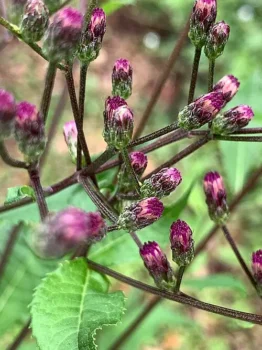
Florida Ironweed: A Purple Gem for Wet Gardens
If you’re looking for a native plant that thrives in Florida’s challenging wet conditions while providing stunning fall color, meet Florida ironweed (Vernonia blodgettii). This lesser-known native perennial might just be the perfect addition to your rain garden or naturalistic landscape.
What is Florida Ironweed?
Florida ironweed is a native perennial forb—essentially a non-woody flowering plant—that calls the Sunshine State home. Unlike its more widespread cousins, this particular ironweed is found exclusively in Florida, making it a true local treasure. As a perennial, it comes back year after year, establishing itself as a reliable presence in your garden.
This plant belongs to the fascinating world of forbs, which are vascular plants without significant woody tissue. Think of them as the herbaceous workhorses of the plant kingdom—they may not have the structural drama of trees or shrubs, but they pack plenty of punch in the flower department.
Where Does Florida Ironweed Grow?
Florida ironweed is endemic to Florida, meaning it grows naturally nowhere else in the world. This makes it an excellent choice for gardeners who want to support truly local ecosystems and preserve Florida’s unique botanical heritage.
- Species observed
- No observations
Why Plant Florida Ironweed?
There are several compelling reasons to consider adding this native beauty to your landscape:
- Native credentials: As a true Florida native, it’s perfectly adapted to local conditions and supports native wildlife
- Wet tolerance: With its facultative wetland status, it thrives in those challenging soggy spots where many plants fail
- Low maintenance: Once established, native plants typically require less water, fertilizer, and pest control
- Pollinator magnet: Ironweeds are beloved by butterflies and native bees
- Fall interest: Provides beautiful purple blooms when many other plants are winding down
Growing Conditions and Care
Florida ironweed is surprisingly easy to grow if you can meet its basic needs:
Light: Prefers full sun but can tolerate some partial shade
Soil: Thrives in moist to wet soils—perfect for those perpetually damp areas of your yard that challenge other plants
Hardiness: Well-suited to Florida’s climate, likely hardy in USDA zones 8-10
Maintenance: Low-maintenance once established. The plant’s natural adaptation to wetland conditions means it doesn’t need supplemental watering in most Florida locations
Perfect Garden Settings
Florida ironweed shines in several landscape scenarios:
- Rain gardens: Excellent choice for managing stormwater runoff
- Native plant gardens: A must-have for authentic Florida landscapes
- Wetland restoration projects: Helps restore natural Florida ecosystems
- Naturalistic borders: Adds wild beauty to informal garden edges
- Butterfly gardens: Provides essential nectar for native pollinators
Wildlife Benefits
While specific data for this particular species is limited, ironweeds as a group are pollinator powerhouses. Expect to see native bees, butterflies, and other beneficial insects visiting the purple blooms. The plant likely provides habitat and food sources for various native wildlife species throughout its growing season.
Planting Tips
Since information specific to propagating Florida ironweed is limited, work with local native plant societies or specialized nurseries that can provide guidance on sourcing and establishing this species. They’ll be your best resource for obtaining plants or seeds and getting site-specific growing advice.
When planting, choose locations that stay consistently moist, and be patient—many native perennials take time to establish but reward you with years of reliable performance once they’re settled in.
The Bottom Line
Florida ironweed represents the best of native gardening: a plant perfectly adapted to local conditions that supports wildlife while providing unique beauty. If you have wet areas in your landscape that need a native solution, this Florida endemic deserves serious consideration. While it may not be the showiest plant in the garden center, it’s exactly the kind of specialized native that helps preserve Florida’s distinctive natural heritage.