Florida Jointweed: A Rare Native Gem for Conservation-Minded Gardeners
If you’re passionate about Florida’s native plants and conservation, you may have heard whispers about Florida jointweed (Polygonella basiramia). This delicate annual herb might not win any flashy flower contests, but it holds a special place in the hearts of native plant enthusiasts and conservationists. Here’s everything you need to know about this rare Florida native and whether it belongs in your garden.
What is Florida Jointweed?
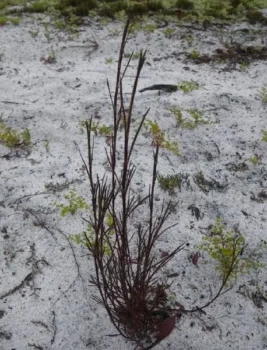
Florida jointweed is a small, wispy annual herb that’s as unassuming as it is important. This delicate forb lacks woody tissue, meaning it stays soft and herbaceous throughout its short life cycle. Despite its humble appearance, this little plant plays a significant role in Florida’s natural ecosystems and represents the kind of specialized native flora that makes the Sunshine State so botanically unique.
A True Florida Native
Florida jointweed is endemic to Florida, meaning you won’t find it growing wild anywhere else in the world. This makes it a truly special addition to any native Florida garden. The plant has evolved specifically to thrive in Florida’s unique climate and soil conditions, making it perfectly adapted to local growing conditions.
- Species observed
- No observations
Why This Plant Needs Your Attention (And Caution)
Here’s where things get serious: Florida jointweed is rare. Very rare. It holds a Global Conservation Status of S3, meaning it’s considered vulnerable throughout its range. Even more concerning, it’s listed as Endangered in the United States. This means that in the wild, there are typically only 21 to 100 occurrences of this plant, or between 3,000 and 10,000 individual plants total.
If you’re considering growing Florida jointweed, please only obtain seeds or plants from responsibly sourced, ethically propagated material. Never collect from wild populations, as this could further threaten this already vulnerable species.
What Does Florida Jointweed Look Like?
Don’t expect showy blooms with this one! Florida jointweed produces tiny white to pinkish flowers arranged in delicate, spike-like clusters called racemes. The plant has fine, narrow leaves that give it an airy, almost wispy appearance. While it won’t stop traffic with bold colors, it offers subtle beauty and interesting texture that naturalistic gardeners will appreciate.
Growing Conditions and Care
As a Florida native, this plant is beautifully adapted to local conditions:
- Sunlight: Full sun is essential
- Soil: Well-draining, sandy soils (just like Florida’s natural scrublands)
- Water: Drought tolerant once established; avoid overwatering
- Hardiness: Thrives in USDA zones 8b-10
- Nutrients: Adapted to nutrient-poor soils, so don’t over-fertilize
Planting and Propagation Tips
Since Florida jointweed is an annual, you’ll need to replant it each year or allow it to self-seed:
- Direct seed in fall for best results
- Seeds need light to germinate, so barely cover them with soil
- Keep soil lightly moist until germination occurs
- Once established, the plant requires minimal care
- In ideal conditions, plants may self-seed for the following year
Garden Design and Landscape Use
Florida jointweed works best in specialized settings:
- Native Florida gardens focused on scrubland species
- Xerophytic (drought-tolerant) garden designs
- Restoration projects recreating natural Florida habitats
- As a ground cover in naturalistic plantings
- Mixed with other native annuals and perennials for textural interest
Benefits to Wildlife
While small, Florida jointweed’s flowers attract tiny native pollinators, including small native bees and other beneficial insects. Every native plant, no matter how modest, plays a role in supporting local ecosystems.
Should You Grow Florida Jointweed?
This is a plant for dedicated native plant gardeners and conservationists. If you’re just starting your native gardening journey, you might want to begin with more common Florida natives that are easier to source responsibly. However, if you’re committed to conservation and can obtain ethically sourced seeds or plants, growing Florida jointweed can be a meaningful way to support biodiversity.
Remember, with great plants comes great responsibility. Only grow this species if you can source it ethically, and consider it an honor to help preserve one of Florida’s most vulnerable native plants.
By choosing to grow rare natives like Florida jointweed, you’re not just gardening—you’re participating in conservation. And that’s something pretty special.