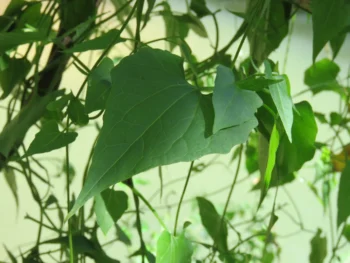
Florida Keys Hempvine: A Rare Native Gem for Coastal Gardens
Meet the Florida Keys hempvine, a charming native wildflower that’s flying under the radar in most gardening circles. This delicate perennial herb might not have the flashy blooms of a hibiscus, but it packs a punch when it comes to supporting local ecosystems and adding subtle beauty to naturalistic landscapes.
What Makes Florida Keys Hempvine Special?
Scientifically known as Mikania cordifolia, this native plant is a true treasure of the southeastern United States. As a perennial forb (that’s gardener-speak for a soft-stemmed plant that comes back year after year), it brings reliability to your garden without the woody bulk of shrubs or trees.
The plant gets its common name from its heart-shaped leaves and its historical association with the Florida Keys region, though it actually grows throughout much of the coastal Southeast.
Where Does It Call Home?
Florida Keys hempvine is native to a impressive swath of the southeastern United States, including Alabama, Florida, Georgia, Louisiana, Mississippi, and Texas. It also naturally occurs in Puerto Rico and the U.S. Virgin Islands, making it a true child of coastal and subtropical regions.
- Species observed
- No observations
A Word of Caution: Rarity Matters
Here’s where things get important, fellow gardeners. Florida Keys hempvine carries a rarity status of S1 in some areas, particularly in Alabama’s Florida Keys region. This means it’s critically rare and vulnerable to extinction in those locations. If you’re considering adding this plant to your garden, please ensure you source it responsibly from reputable native plant nurseries or seed suppliers – never collect from wild populations.
Garden Appeal and Design Role
While Florida Keys hempvine might not be the showstopper of your garden, it offers subtle charm with its delicate, heart-shaped leaves and clusters of tiny white to pinkish flowers. This low-growing herb works beautifully as:
- Ground cover in naturalistic settings
- Understory planting in coastal restoration projects
- Accent plant in native wildflower gardens
- Addition to rain gardens or wetland edges
Perfect Growing Conditions
Florida Keys hempvine is happiest in conditions that mimic its native coastal habitat. It thrives in USDA hardiness zones 8-11, making it perfect for gardeners in the warmer regions of the country.
This adaptable native prefers:
- Moist to consistently wet soils
- Partial shade to full sun exposure
- Coastal conditions (it’s salt-tolerant!)
- Areas with good drainage despite moisture needs
Wetland Wonder
One of the coolest things about Florida Keys hempvine is its relationship with water. In the Atlantic and Gulf Coastal Plain regions, it’s classified as a facultative wetland plant, meaning it usually hangs out in wetlands but can adapt to drier conditions. In Caribbean regions, it’s even more flexible, equally happy in wet or dry spots.
Planting and Care Tips
Growing Florida Keys hempvine successfully is all about mimicking Mother Nature:
- Plant in spring after the last frost date
- Ensure consistent moisture, especially during establishment
- Mulch around plants to retain soil moisture
- Provide afternoon shade in extremely hot climates
- Allow natural spreading for ground cover effect
- Minimal fertilization needed – native plants prefer lean soils
Supporting Local Wildlife
Like most native plants, Florida Keys hempvine earns its keep by supporting local ecosystems. Its small flowers attract native pollinators including small bees and butterflies, making it a valuable addition to any pollinator-friendly garden. The plant also provides habitat and food sources for various insects and small wildlife.
Is Florida Keys Hempvine Right for Your Garden?
Consider this native beauty if you:
- Garden in zones 8-11
- Have consistently moist or wet areas to fill
- Want to support native plant conservation
- Appreciate subtle, naturalistic beauty over flashy flowers
- Are creating habitat for native pollinators
- Live in coastal areas with challenging growing conditions
Florida Keys hempvine might not be the easiest native plant to find at your local garden center, but for conservation-minded gardeners in suitable climates, it represents a chance to grow something truly special. Just remember to source it responsibly and give it the moist, coastal-style conditions it craves. Your local pollinators will thank you!