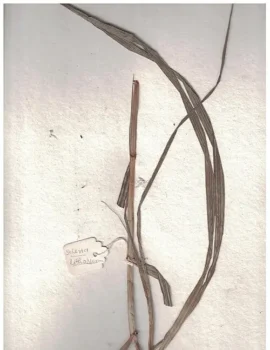
Florida Keys Nutrush: A Specialized Native Sedge for Warm Climate Gardens
Meet the Florida Keys nutrush (Scleria lithosperma), a distinctive native sedge that’s definitely not your typical garden center find. This grass-like perennial might not win any beauty contests, but it has earned its place in the hearts of native plant enthusiasts and restoration specialists across the southeastern United States and beyond.
What Exactly Is Florida Keys Nutrush?
Don’t let the name fool you – while it’s called Florida Keys nutrush, this hardy little sedge actually has a much broader range than its common name suggests. Botanically known as Scleria lithosperma, it belongs to the sedge family (Cyperaceae), making it a grass-like plant rather than a true grass. You might also see it listed under its old scientific name, Scirpus lithospermus.
This perennial sedge is native to the lower 48 states, Puerto Rico, the U.S. Virgin Islands, and parts of the Pacific Basin. Currently, you can find it growing naturally in Florida, Louisiana, Guam, Palau, Puerto Rico, and the Virgin Islands.
- Species observed
- No observations
Should You Plant Florida Keys Nutrush in Your Garden?
Here’s the honest truth: Florida Keys nutrush isn’t for everyone, and that’s perfectly okay! This plant is best suited for gardeners who are passionate about native plants and have the right growing conditions. Here’s what you need to consider:
The Pros:
- 100% native to southeastern regions and islands
- Low maintenance once established
- Excellent for naturalized areas and restoration projects
- Adapts to both wetland and upland conditions depending on location
- Supports local ecosystem health
The Considerations:
- Limited ornamental appeal – it’s more about function than beauty
- Restricted to warm climate zones (USDA 9-11)
- Can be difficult to source commercially
- Best suited for specialized native plant gardens
Growing Conditions and Care
If you’re ready to give Florida Keys nutrush a try, here’s what this sedge needs to thrive:
Climate Requirements
This is strictly a warm-climate plant, thriving in USDA hardiness zones 9-11. It simply won’t survive freezing temperatures, so northern gardeners will need to admire it from afar or grow it as a container plant in a greenhouse.
Moisture Needs
Here’s where it gets interesting – Florida Keys nutrush has different moisture preferences depending on where you live! In the Atlantic and Gulf Coastal Plain regions, it’s considered facultative, meaning it can handle both wet and dry conditions. However, in Caribbean regions, it prefers upland (drier) conditions and rarely occurs in wetlands.
Light and Soil
This adaptable sedge tolerates a range of light conditions from partial shade to full sun. As for soil, it’s not particularly picky, though consistent moisture during establishment is helpful.
Landscape Role and Design Uses
Florida Keys nutrush works best in:
- Native plant gardens focused on regional species
- Restoration and naturalization projects
- Transitional areas between wetlands and uplands
- Educational gardens showcasing local flora
- Low-maintenance groundcover in appropriate climates
Wildlife and Ecological Benefits
While Florida Keys nutrush may not be a pollinator magnet (it’s wind-pollinated like most sedges), it still contributes to local ecosystem health. Native sedges provide habitat structure and may support specialized insects that, in turn, feed birds and other wildlife. Every native plant plays a role in the bigger ecological picture!
The Bottom Line
Florida Keys nutrush is definitely a niche plant for specialized situations. If you’re in the right climate zone and passionate about growing truly native species, it could be a wonderful addition to a naturalized area or restoration project. However, if you’re looking for showy ornamental grasses or live outside zones 9-11, you’ll probably want to explore other options.
For those who do decide to grow it, you’ll be supporting local ecosystems and preserving genetic diversity of native plants – and that’s something to feel good about, even if your neighbors don’t quite understand your enthusiasm for this humble little sedge!