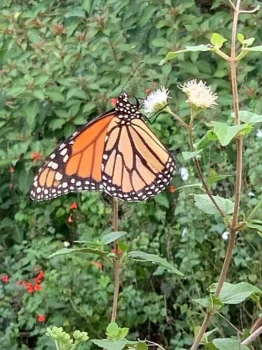
Florida Keys Thoroughwort: A Hidden Gem for Southern Florida Gardens
If you’re looking for a native plant that’s both beautiful and beneficial to local wildlife, let me introduce you to Florida Keys thoroughwort (Koanophyllon villosum). This charming shrub might not be the showiest plant in your garden, but it more than makes up for it with its ecological value and easy-going nature.
What is Florida Keys Thoroughwort?
Florida Keys thoroughwort is a perennial shrub that typically grows as a multi-stemmed woody plant, usually staying under 13-16 feet in height. You might also see it listed under its former scientific name, Eupatorium villosum, but don’t let the name changes confuse you – it’s the same wonderful plant!
Where Does It Call Home?
This delightful native is truly a Florida specialty, growing naturally only in the Sunshine State. It’s particularly at home in South Florida and the Florida Keys, where it has adapted beautifully to the unique coastal conditions. As a plant that’s native to the lower 48 states, it’s perfectly suited to work with your local ecosystem rather than against it.
- Species observed
- No observations
Why Your Garden (and Local Wildlife) Will Love It
Here’s where Florida Keys thoroughwort really shines – it’s a pollinator magnet! The small, clustered white to pale pink flowers are like a beacon for butterflies, bees, and other beneficial insects. If you’re trying to create a butterfly garden or simply want to support local pollinators, this plant is a fantastic choice.
The compact, shrubby form makes it perfect for:
- Butterfly and pollinator gardens
- Native plant landscapes
- Coastal gardens where salt tolerance is important
- Low-maintenance xerophytic gardens
- Mixed shrub borders
Growing Conditions That Make It Happy
One of the best things about Florida Keys thoroughwort is how adaptable and low-maintenance it can be. Here’s what it prefers:
- Sunlight: Full sun to partial shade (though it flowers best with plenty of sun)
- Soil: Well-draining sandy soils work best
- Water: Drought tolerant once established – perfect for water-wise gardening
- Climate: Thrives in USDA hardiness zones 10-11
- Salt tolerance: Excellent choice for coastal areas
Planting and Care Tips
Getting started with Florida Keys thoroughwort is refreshingly straightforward:
- Plant in spring or fall when temperatures are milder
- Space plants according to their mature size to allow for proper air circulation
- Water regularly during the first growing season to help establish roots
- Once established, it’s quite drought tolerant and needs minimal watering
- Light pruning after flowering can help maintain shape and encourage bushier growth
- Very little fertilizer needed – native plants typically prefer lean soils
Is This Plant Right for Your Garden?
Florida Keys thoroughwort is an excellent choice if you live in South Florida (zones 10-11) and want to:
- Support native wildlife and pollinators
- Create a low-maintenance, drought-tolerant landscape
- Add texture and wildlife appeal to coastal gardens
- Incorporate true Florida natives into your landscape
However, it might not be the best fit if you’re looking for a showy focal point plant or live outside its natural hardiness range.
The Bottom Line
Florida Keys thoroughwort may be one of Florida’s best-kept gardening secrets. While it won’t win any awards for flashy blooms, it’s a hardworking native that supports local ecosystems while requiring minimal care from you. For gardeners in South Florida who want to create sustainable, wildlife-friendly landscapes, this humble shrub deserves serious consideration.
Plus, there’s something special about growing a plant that’s truly native to your area – you’re not just creating a beautiful garden, you’re preserving a piece of Florida’s natural heritage.