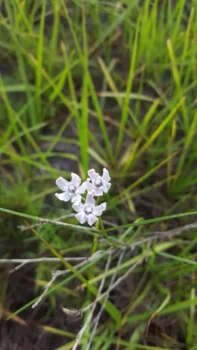
Florida Milkweed: A Hidden Gem for Native Plant Enthusiasts
If you’re looking to add a touch of delicate beauty to your Florida garden while supporting local wildlife, Florida milkweed (Asclepias feayi) might just be the perfect addition you never knew you needed. This charming native perennial is like the quiet kid in class who turns out to be absolutely brilliant – understated but incredibly valuable.
What Makes Florida Milkweed Special?
Florida milkweed is a true Florida native, found exclusively in the Sunshine State. Unlike its more famous cousin, the common milkweed, this species has adapted specifically to Florida’s unique climate and growing conditions. It’s a perennial plant, meaning it’ll come back year after year to grace your garden with its presence.
This milkweed species is distributed throughout Florida, thriving in the state’s diverse ecosystems from pine flatwoods to wet prairies.
- Species observed
- No observations
Beauty in Simplicity
Don’t expect flashy, oversized blooms from Florida milkweed – its charm lies in its understated elegance. The plant produces clusters of small, white to pale pink flowers that create a delicate, almost ethereal appearance in the landscape. Its narrow, linear leaves give it a fine-textured look that contrasts beautifully with broader-leafed plants.
The compact growth habit makes it an excellent choice for adding subtle interest without overwhelming other plants in your garden design.
A Pollinator Paradise
Here’s where Florida milkweed really shines – it’s an absolute magnet for pollinators! Like all milkweeds, it serves as a crucial host plant for monarch butterfly caterpillars. But the benefits don’t stop there. The nectar-rich flowers attract a variety of native bees, butterflies, and other beneficial insects that will thank you for providing this natural buffet.
By planting Florida milkweed, you’re essentially rolling out the red carpet for monarchs and contributing to their conservation – pretty awesome for such a humble-looking plant!
Perfect Garden Companions
Florida milkweed fits beautifully into several garden styles:
- Native plant gardens where it can mingle with other Florida natives
- Wildlife gardens focused on supporting local fauna
- Naturalized landscapes that mimic Florida’s natural ecosystems
- Rain gardens where its tolerance for moist conditions is an asset
It works wonderfully as an understory plant, adding delicate texture beneath taller native shrubs and trees.
Growing Florida Milkweed Successfully
The good news is that Florida milkweed isn’t particularly fussy – it knows how to thrive in its home state! Here’s what you need to know:
Light Requirements: This adaptable plant does well in full sun to partial shade, making it versatile for different garden spots.
Soil and Water: Florida milkweed prefers moist to wet soils and can even tolerate seasonal flooding. If you have a spot that tends to stay damp or gets soggy during rainy seasons, this could be your perfect plant match.
Climate Zones: Naturally suited for USDA hardiness zones 8-11, which covers Florida’s climate perfectly.
Planting and Care Tips
Getting started with Florida milkweed is refreshingly straightforward:
- Plant in spring when the soil is warming up
- Ensure the planting site has adequate moisture – this isn’t a drought-tolerant milkweed
- Skip the fertilizer – native plants generally prefer lean soils
- Allow the plant to reseed naturally for a more naturalized look
- Be patient in the first year as the plant establishes its root system
Why Choose Florida Milkweed?
In a world full of flashy non-native ornamentals, Florida milkweed offers something different – authenticity. It belongs here, supports local wildlife, and adds a touch of Florida’s natural heritage to your landscape. Plus, there’s something deeply satisfying about growing a plant that’s perfectly adapted to your local environment.
While it may not win any showiest flower contests, Florida milkweed wins the most valuable team player award hands down. It’s the kind of plant that makes your garden more than just pretty – it makes it meaningful.
If you can source Florida milkweed from a reputable native plant nursery, you’ll be adding a true piece of Florida’s botanical heritage to your garden while creating a haven for butterflies and other pollinators. Sometimes the most rewarding gardening choices are the ones that whisper rather than shout.