Florida Mudmidget: The Tiniest Native Aquatic Plant You’ve Probably Never Heard Of
Meet one of North America’s most overlooked native aquatic plants: the Florida mudmidget (Wolffiella gladiata). Don’t let the quirky name fool you – this tiny perennial forb is actually one of the world’s smallest flowering plants and plays a fascinating role in freshwater ecosystems across the United States.
What Exactly Is a Florida Mudmidget?
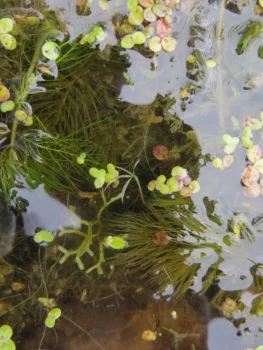
If you’ve ever noticed tiny green specks floating on the surface of a pond or slow-moving stream, you might have been looking at Florida mudmidgets without realizing it. These microscopic marvels are typically only 1-3 millimeters long and appear as small, oval-shaped green discs floating freely on the water’s surface. They’re so small that most people mistake them for algae or pond scum!
As a perennial forb, Florida mudmidget lacks any woody tissue and survives year after year in appropriate conditions. Despite their diminutive size, these plants are true flowering species, though their blooms are so tiny they’re rarely visible to the naked eye.
Where Does Florida Mudmidget Grow Naturally?
Florida mudmidget is native to the lower 48 states and can be found across a surprisingly wide geographic range. This adaptable little plant grows naturally in 25 states, including Alabama, Arkansas, Delaware, Florida, Georgia, Illinois, Indiana, Kentucky, Louisiana, Maryland, Massachusetts, Mississippi, Missouri, New Jersey, North Carolina, Ohio, Oklahoma, Pennsylvania, South Carolina, Tennessee, Texas, Virginia, Washington, and Wisconsin.
- Species observed
- No observations
A Word of Caution: Rarity Status
Before you get excited about adding Florida mudmidget to your water garden, there’s an important conservation consideration. In New Jersey, this species is listed as Endangered with a rarity status of S1, meaning it’s critically imperiled in that state. If you’re interested in growing this plant, it’s crucial to source it responsibly and never collect it from wild populations.
Is Florida Mudmidget Right for Your Garden?
Florida mudmidget is definitely not your typical garden plant. Here’s what you need to know:
Wetland Requirements
This plant is classified as an obligate wetland species across all regions of the United States, meaning it almost always occurs in wetlands. It thrives in USDA hardiness zones 6-10 and requires very specific aquatic conditions to survive.
Growing Conditions
Florida mudmidget needs:
- Still or very slow-moving freshwater
- Full sun to partial shade
- Water pH between 6.0-8.0
- Consistent water temperatures
- Protection from strong currents or wave action
Aesthetic Appeal
Let’s be honest – Florida mudmidget won’t win any awards for showy blooms or dramatic foliage. These plants are so small they’re barely visible individually. However, they can form colonies that create interesting textural elements on water surfaces and contribute to the natural ecosystem of water gardens.
Wildlife and Ecological Benefits
While Florida mudmidget may not attract butterflies or hummingbirds like traditional garden favorites, it does play important ecological roles in aquatic ecosystems. These tiny plants help maintain water quality and provide habitat for microscopic aquatic life. They’re also occasionally consumed by waterfowl and other aquatic animals.
Planting and Care Considerations
Growing Florida mudmidget isn’t like planting typical garden perennials. These specialized aquatic plants typically establish themselves naturally through:
- Transport by waterfowl
- Movement through connected waterways
- Introduction via contaminated water or equipment
If you’re maintaining a natural pond or constructed wetland, Florida mudmidget may appear on its own if conditions are suitable. Deliberate introduction should only be done with plants from responsible, conservation-minded sources.
The Bottom Line
Florida mudmidget is a fascinating native species that showcases the incredible diversity of North American flora. While it’s not suitable for most traditional gardens, it can be a valuable addition to natural water features, constructed wetlands, or specialized aquatic gardens. Just remember to source responsibly and appreciate these tiny plants for the unique ecological niche they fill rather than expecting conventional ornamental appeal.
If you’re interested in native aquatic plants but want something more visible and easier to establish, consider alternatives like native water lilies, pickerelweed, or arrowhead – all of which offer more dramatic visual impact while still supporting local ecosystems.