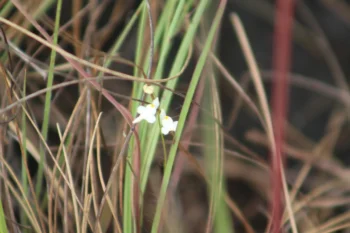
Florida Purple Bladderwort: A Tiny Native Carnivore for Your Bog Garden
Meet one of Florida’s most fascinating native plants – the Florida purple bladderwort (Utricularia amethystina). This diminutive carnivorous plant might be small in stature, but it’s big on personality and ecological importance. If you’re looking to add a conversation starter to your wetland garden or bog setup, this little purple-flowered wonder might just be the perfect choice.
What is Florida Purple Bladderwort?
Florida purple bladderwort is an annual forb that’s completely native to the Sunshine State. As its name suggests, this plant is a member of the bladderwort family – carnivorous plants that capture tiny prey using sophisticated underwater traps called bladders. Don’t worry though, these microscopic traps only catch organisms you can’t even see!
This plant is classified as an obligate wetland species in the Atlantic and Gulf Coastal Plain region, meaning it almost always occurs in wetlands. You won’t find this little guy growing in your typical backyard flower bed – it needs those consistently wet, swampy conditions to thrive.
Where Does It Grow?
Florida purple bladderwort is endemic to Florida, making it a true local native. It’s found throughout the state’s wetland areas, from the Everglades to northern bog systems. This limited geographic distribution makes it a special addition to Florida native plant gardens.
- Species observed
- No observations
Why Grow Florida Purple Bladderwort?
Here are some compelling reasons to consider this unique native:
- True Florida native – supports local ecosystems and wildlife
- Fascinating carnivorous nature – great for education and conversation
- Delicate purple flowers – adds subtle beauty to wetland areas
- Pollinator support – small flowers attract tiny beneficial insects
- Wetland restoration – excellent for authentic bog and marsh recreations
Growing Conditions and Care
Let’s be honest – Florida purple bladderwort isn’t for everyone. This specialized plant has very specific needs:
USDA Hardiness Zones: 9-11 (essentially Florida’s climate zone)
Growing Conditions:
- Consistently wet to saturated soil conditions
- Acidic, nutrient-poor conditions (like natural bogs)
- Full sun to partial shade
- High humidity
Planting and Care Tips
Growing Florida purple bladderwort successfully requires mimicking its natural wetland habitat:
- Use distilled or rainwater only – tap water minerals can harm carnivorous plants
- Plant in peat-based, acidic medium – avoid regular potting soil
- Keep constantly moist – consider sitting pots in water trays
- Don’t fertilize – these plants get nutrients from their carnivorous lifestyle
- Provide good air circulation – helps prevent fungal issues in humid conditions
Garden Design Ideas
Florida purple bladderwort works best in:
- Bog gardens – the perfect naturalistic setting
- Carnivorous plant collections – alongside other native Florida carnivorous plants
- Wetland restoration projects – for authentic ecosystem recreation
- Educational gardens – fascinating for teaching about plant adaptations
Is This Plant Right for You?
Florida purple bladderwort is ideal for gardeners who:
- Have experience with carnivorous plants or wetland gardening
- Can provide specialized growing conditions
- Want to support Florida’s native plant diversity
- Enjoy unique, conversation-starting plants
It might not be the best choice if you’re looking for low-maintenance plants or don’t have the setup to provide consistent wetland conditions.
The Bottom Line
Florida purple bladderwort is a remarkable native plant that offers something truly special to the right gardener. While it requires dedicated care and specific conditions, the reward is growing one of Florida’s most fascinating carnivorous natives. For bog gardeners, carnivorous plant enthusiasts, or anyone working on wetland restoration, this tiny purple-flowered wonder is absolutely worth the effort.
Remember, as an annual plant, you’ll need to collect seeds or allow natural reseeding to maintain your population from year to year. But for those willing to meet its needs, Florida purple bladderwort provides an authentic piece of Florida’s unique wetland heritage right in your garden.