Florida Scrub Frostweed: A Rare Native Gem for Specialized Gardens
If you’re drawn to rare native plants that few gardeners know about, Florida scrub frostweed might just capture your heart. This little-known perennial shrub brings a touch of wild Florida scrubland to your garden, though it’s definitely not your typical landscape plant. Let’s dive into what makes this unique native so special—and why you’ll need to be a bit selective about where and how you grow it.
What is Florida Scrub Frostweed?
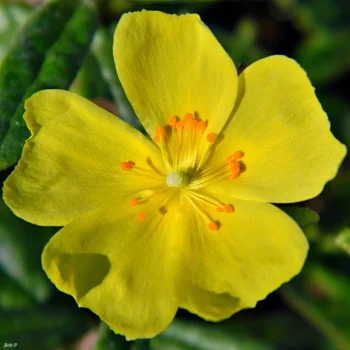
Florida scrub frostweed (Helianthemum nashii) is a low-growing perennial shrub that rarely exceeds 1.5 feet in height. You might also see it listed under its synonyms Crocanthemum nashii or Helianthemum thyrsoideum in older references. This compact native produces small, cheerful yellow flowers that bloom in spring and early summer, creating bright spots of color against its small, linear leaves.
Where Does It Grow Naturally?
This specialized plant calls the scrub habitats of Florida and North Carolina home. It’s perfectly adapted to the sandy, well-draining soils and sunny conditions of these unique ecosystems. However, habitat loss has made wild populations increasingly uncommon.
- Species observed
- No observations
A Word of Caution: Rarity Matters
Before you get too excited about adding this plant to your garden, there’s something important to know. Florida scrub frostweed has a Global Conservation Status of S3?, meaning its population status is uncertain but potentially vulnerable. If you’re interested in growing this rare beauty, please ensure you source it from reputable native plant nurseries that propagate their stock rather than collecting from wild populations.
Garden Appeal and Design Role
While Florida scrub frostweed won’t win any awards for showiness, it has a subtle charm that appeals to native plant enthusiasts. Its compact, mounded form makes it suitable as:
- A unique ground cover in specialized native gardens
- An accent plant in xeriscape or drought-tolerant landscapes
- Part of scrub habitat restoration projects
- A conversation starter for rare plant collectors
Growing Conditions and Care
This isn’t a plant for everyone—Florida scrub frostweed has very specific needs that mirror its natural scrub habitat:
Sunlight: Full sun is essential for healthy growth and flowering.
Soil: Well-draining sandy soil is absolutely critical. Heavy clay or poorly draining soils will likely kill this plant. Think desert-like drainage.
Water: Once established, this drought-tolerant native prefers minimal supplemental watering. Overwatering is more likely to harm it than help it.
Climate: Best suited for USDA hardiness zones 8-10, matching its native southeastern range.
Wildlife and Pollinator Benefits
The small yellow flowers of Florida scrub frostweed attract native bees and other small pollinators during its blooming season. While not a major wildlife magnet, it plays its part in supporting the specialized pollinator community of scrub ecosystems.
Is This Plant Right for Your Garden?
Florida scrub frostweed is best suited for gardeners who:
- Have experience with native plants and challenging growing conditions
- Can provide excellent drainage and full sun
- Live in zones 8-10
- Are interested in rare plant conservation
- Want to create authentic scrub habitat gardens
Skip this plant if you have heavy clay soil, limited sun, or prefer low-maintenance gardening—it simply won’t thrive under those conditions.
Planting and Care Tips
If you decide to grow Florida scrub frostweed, here’s how to give it the best chance of success:
- Plant in spring after the last frost
- Amend heavy soils extensively with coarse sand and gravel to improve drainage
- Consider raised beds or mounded plantings if your soil doesn’t drain well naturally
- Water only during establishment; once settled, rely on natural rainfall
- Avoid fertilizers—this plant is adapted to nutrient-poor soils
- Be patient—growth may be slow initially as the plant establishes
Florida scrub frostweed may not be the easiest native to grow, but for the right gardener in the right conditions, it offers the satisfaction of growing something truly special. Just remember to source it responsibly and give it the sandy, sunny conditions it craves. Your garden—and the rare plant conservation community—will thank you for it.