Florida Sedge: A Hidden Gem for Southeastern Shade Gardens
If you’re looking for a low-maintenance native groundcover that thrives in those tricky shady, moist spots in your garden, Florida sedge (Carex floridana) might just be your new best friend. This unassuming perennial sedge brings understated beauty and ecological value to gardens across the southeastern United States.
Meet the Florida Sedge
Florida sedge is a native perennial that belongs to the sedge family, making it a grass-like plant that’s actually more closely related to rushes than true grasses. Don’t let its humble appearance fool you – this little powerhouse has been quietly supporting southeastern ecosystems for centuries.
You might also see this plant listed under its botanical synonym, Carex nigromarginata var. floridana, but Carex floridana is the accepted name today.
Where Florida Sedge Calls Home
This southeastern native has quite an impressive range, naturally occurring across eleven states: Alabama, Arkansas, Florida, Georgia, Louisiana, Mississippi, Missouri, North Carolina, South Carolina, Texas, and Virginia. It’s perfectly adapted to the climate and growing conditions of the lower 48 states.
- Species observed
- No observations
Important Note: Florida sedge is considered rare in some areas, particularly in New Jersey where it has a Highlands Listed, S1 rarity status. If you’re interested in growing this plant, please source it only from reputable nurseries that propagate their own stock rather than wild-collecting.
What Makes Florida Sedge Special in Your Garden
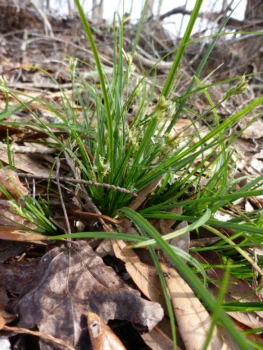
Florida sedge forms attractive small clumps of narrow, green leaves that create a fine-textured groundcover. In spring, you’ll notice inconspicuous brownish flower spikes that add subtle interest without being showy. The real beauty of this plant lies in its ability to create a naturalistic carpet in challenging growing conditions.
Perfect Spots for Florida Sedge
This versatile native shines in several garden settings:
- Shade gardens where other plants struggle
- Woodland gardens for a natural, forest-floor look
- Rain gardens and bioswales for water management
- Native plant gardens focused on regional species
- Naturalized areas where you want low-maintenance coverage
Growing Conditions and Care
Florida sedge is refreshingly easy to please once you understand its preferences. This plant thrives in USDA hardiness zones 7-10, making it perfect for most southeastern gardens.
Light Requirements: Partial shade to full shade – this is where Florida sedge really excels compared to sun-loving alternatives.
Soil Needs: Moist to wet soils are ideal, and this sedge appreciates acidic conditions. It’s particularly happy in areas that stay consistently moist but not waterlogged.
Maintenance: Once established, Florida sedge is remarkably low-maintenance. You can divide clumps every 3-4 years if you want to spread the plant to new areas or prevent overcrowding. Fertilizer is rarely needed – this native is adapted to naturally occurring soil conditions.
Wildlife and Ecological Benefits
While Florida sedge may not be a showy pollinator magnet, it provides valuable ecosystem services. As a wind-pollinated plant, it doesn’t rely on insects for reproduction, but it does offer nesting materials for birds and produces seeds that support various wildlife species. Native sedges like this one are often overlooked heroes in supporting local food webs.
Is Florida Sedge Right for Your Garden?
Consider Florida sedge if you:
- Have shady, moist areas that need groundcover
- Want to support native plant conservation
- Prefer low-maintenance plants
- Are creating habitat gardens
- Need plants for rain gardens or wet areas
This might not be your best choice if you’re looking for showy flowers or need a plant for dry, sunny locations. Florida sedge is all about subtle beauty and ecological function rather than dramatic garden presence.
The Bottom Line
Florida sedge represents the quiet champions of the native plant world – species that may not grab headlines but provide essential ecological services while solving real garden challenges. If you have the right growing conditions and can source this plant responsibly, Florida sedge offers a wonderful way to connect your garden to the rich natural heritage of the southeastern United States.
Remember, when purchasing Florida sedge, always buy from nurseries that grow their own plants rather than wild-collect them. This helps protect wild populations while still allowing you to enjoy this special native in your own garden.