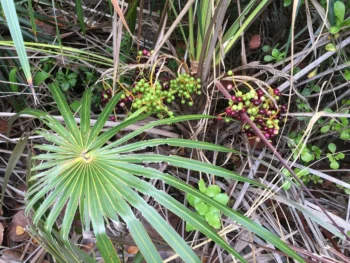
Florida Silver Palm: A Native Jewel for Your Coastal Garden
If you’re looking for a palm that brings both elegance and resilience to your landscape, the Florida silver palm might just be your perfect match. This native beauty has been quietly stealing hearts across South Florida with its distinctive silvery foliage and compact size that fits beautifully into smaller garden spaces.
Meet the Florida Silver Palm
The Florida silver palm (Coccothrinax argentata) is a true Florida native that knows how to make a statement without overwhelming your garden. You might also see it listed under its former scientific name, Coccothrinax garberi, but don’t let the name confusion fool you – this is one spectacular palm that deserves a spot in the right garden.
As a perennial shrub, this palm typically grows as a multi-stemmed woody plant, usually staying under 13-16 feet tall. That manageable size makes it perfect for residential landscapes where you want palm tree vibes without the towering height that can overwhelm smaller properties.
Where It Calls Home
This palm is exclusively native to Florida, where it naturally thrives in the coastal areas and the Florida Keys. It’s perfectly adapted to the unique conditions of South Florida’s environment, making it an excellent choice for gardeners who want to work with nature rather than against it.
- Species observed
- No observations
Why Your Garden Will Love This Palm
The Florida silver palm brings some serious aesthetic appeal to any landscape. Its fan-shaped leaves showcase beautiful silvery-green coloring with distinctive silver undersides that shimmer in the breeze. This silvery quality is where the palm gets its common name, and it creates a stunning contrast against darker foliage or architectural elements.
Here’s what makes this palm special in garden design:
- Perfect as an accent plant that draws the eye without dominating the space
- Excellent for coastal landscaping where salt tolerance is crucial
- Ideal specimen plant for tropical garden themes
- Great for xeriscapes due to its drought tolerance
- Compact size works well in small residential gardens
Growing Conditions and Care
One of the best things about choosing native plants is how well they adapt to local conditions, and the Florida silver palm is no exception. This palm thrives in USDA hardiness zones 10b through 11, which means it’s perfectly suited for South Florida’s climate.
Here are the growing conditions your Florida silver palm will appreciate:
- Sunlight: Full sun to partial shade (it’s quite flexible!)
- Soil: Well-draining sandy soil works best
- Water: Drought tolerant once established, but appreciates regular watering during dry spells
- Salt tolerance: Excellent for coastal properties
Planting and Care Tips
Getting your Florida silver palm established is relatively straightforward, especially if you follow these simple guidelines:
- Plant in spring when the growing season is just getting started
- Ensure excellent drainage – this palm doesn’t appreciate wet feet
- Go easy on the fertilizer; native plants typically don’t need heavy feeding
- Prune only dead or damaged fronds; never hurricane cut your palm
- Be patient with growth – palms are naturally slow growers
Supporting Local Wildlife
When this palm produces its small flowers, it becomes a magnet for local pollinators including bees and flies. By choosing native plants like the Florida silver palm, you’re supporting the local ecosystem and providing food sources for wildlife that have evolved alongside these plants.
Is This Palm Right for Your Garden?
The Florida silver palm is an excellent choice if you live in South Florida and want a native plant that offers both beauty and resilience. It’s particularly perfect for coastal gardens, tropical landscapes, or anywhere you need a palm that stays at a manageable size.
However, if you’re gardening outside of zones 10b-11, this palm won’t survive your winters. In that case, consider researching native palm species that are better suited to your local climate.
For Florida gardeners, though, the Florida silver palm represents everything wonderful about native plant gardening – it’s beautiful, low-maintenance once established, supports local wildlife, and connects your landscape to the natural heritage of your region. What more could you ask for in a garden companion?